


ロンドンで開催されたSlatorConとダブリンで開催されたLocWorldに参加する機会がありました。そこで、当社のCEOであるGabriel Fairmanは、クライアントやパートナーとのあらゆるやり取りで繰り返し現れる、次のシンプルな考えをもって会議の冒頭を飾りました。
私たちは、創造者の時代に入ろうとしています。
誰もが突然ソフトウェアエンジニアになったからではなく、ものづくりがこれまでになく身近になったからです。 数年前までは、ソフトウェア、自動化、またはAI体験を作るには、専門チームと多額の予算が必要でした。
今日では、プロジェクトマネージャーはAIワークフローを作成できます。 ローカライズチームは、少し前まではエンジニアリングの支援が必要だった自動化を構築できます。
問題は、もはや誰がAIにアクセスできるかではありません。 誰もがそうです。 問題は、仕事の進め方を見直す意思があるのは誰かということです。
そのため、本日提供する多くの更新は、柔軟性と、チームが構築方法をより細かく制御できるようにすることに重点を置いています。
それでは、新しい内容を見てみましょう。
あなたに適応するワークフロー
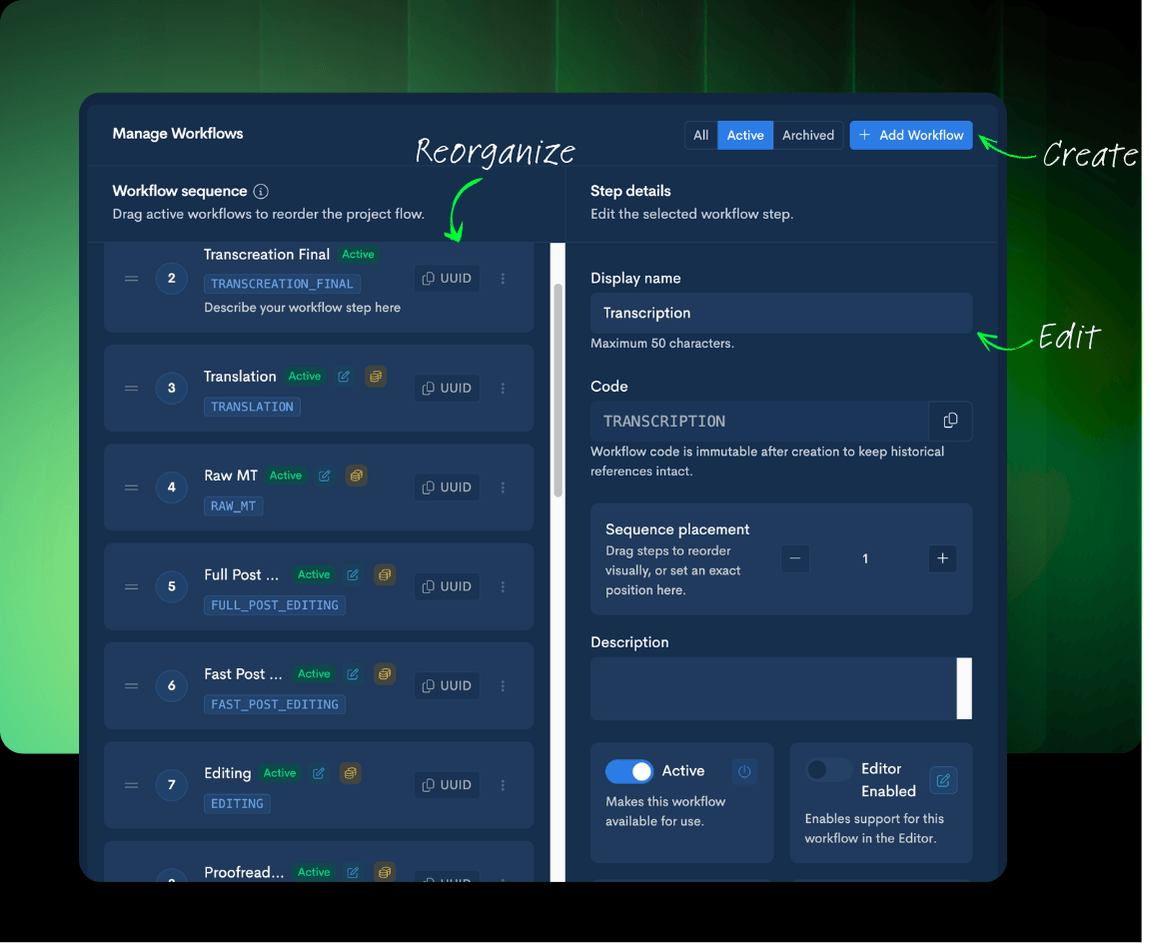
さらに出力。 さらに翻訳。 問題は解決しましたね?まだです。 数年前、課題はより多く生産することでした。 今日では、出力の生成はこれまでになく容易です。
問題は、これらすべてをどのように整理するかですか?
当社はワークフロー管理の改善に取り組み、業務全体にわたるワークフローステップの作成、整理、並べ替え、アーカイブ、管理をより簡単にしました。
ワークフローの推奨事項も再設計しました。
出力を増やすことは、もはや難しいことではありません。 量が増えても品質を一定に保つことは、です。
Workflowによる翻訳メモリ
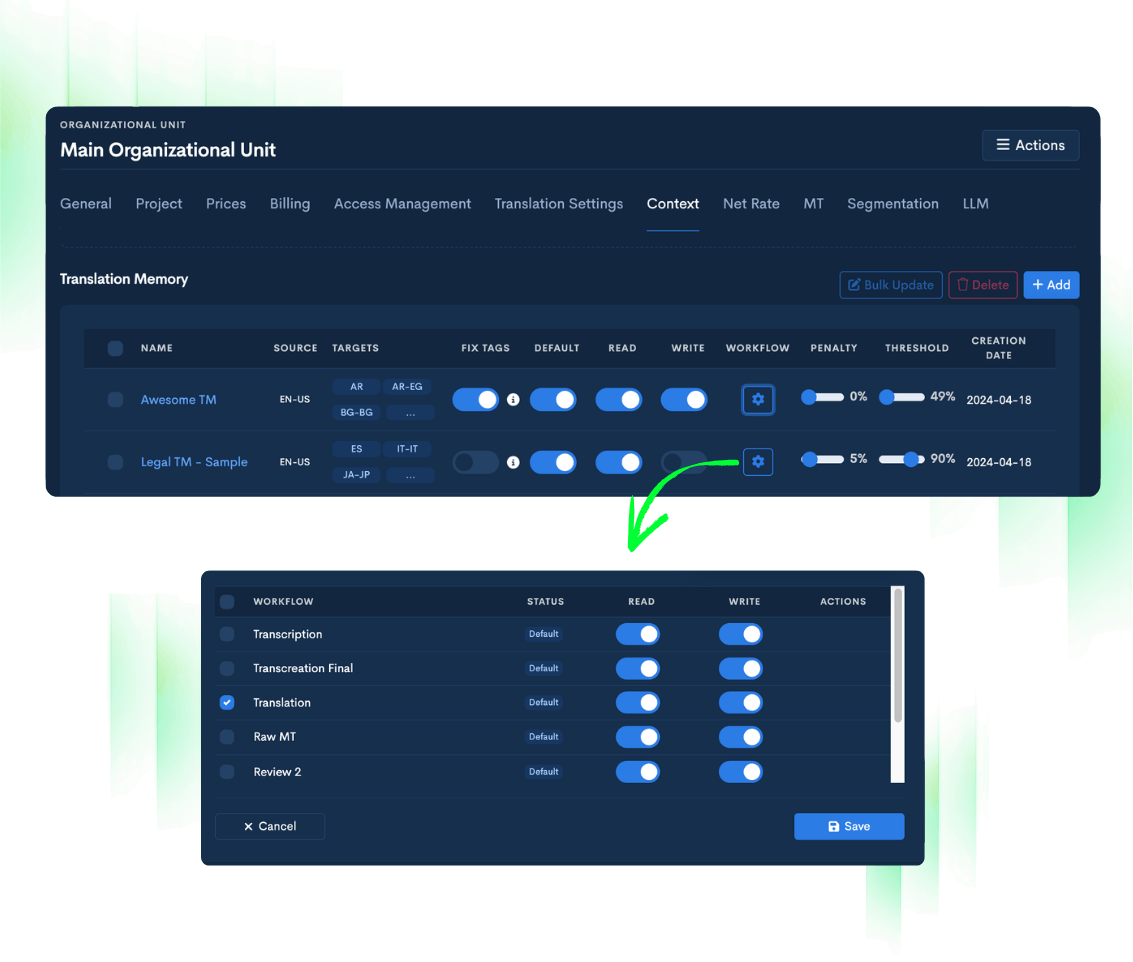
翻訳メモリは、良いレシピに少し似ています。 誰もがそれらを変更すべきではありません。
現在、各ワークフローでどの翻訳メモリを利用可能にするか、また、そのワークフローが新しい知識をフィードバックするべきか、既存の内容のみを利用するべきか、あるいはその翻訳メモリをまったく使用しないべきかを、正確に決定できます。
これにより、チームは知識がプロセスを通じてどのように移動するかについて、より柔軟に対応できるようになります。同時に、適切な記憶を適切な作業に結び付けたままにできます。
課題は今や招待です
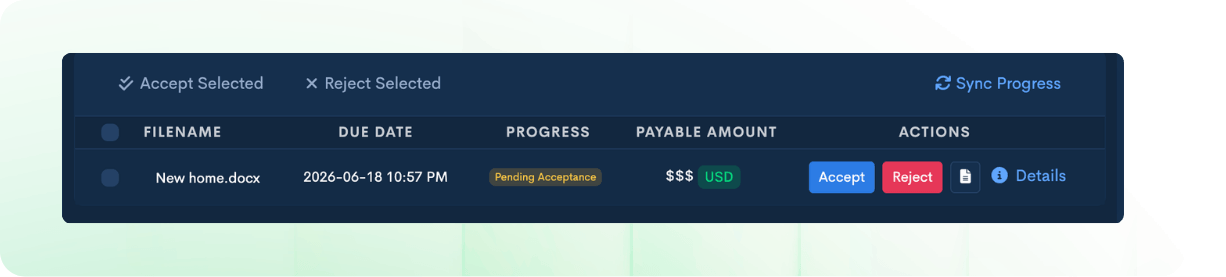
すべての課題が、最初から約束であるべきではありません。 時には、人々はその仕事を引き受けられるかどうかを判断する前に、詳細を見る必要があります。
そのため、確認前に言語学者に案件を提示できるようになりました。 翻訳者は、作業内容を確認し、要件を理解したうえで、その依頼を受諾するか辞退するかを、引き受ける前に判断できます。
小さな変更ですが、関係者全員にとってより明確な期待を生み出します。
組織、組織単位、および価格表を削除する
ほとんどのプラットフォームは、単なるレコードの集合です。 数式のないスプレッドシートのようなものです。 行を削除しても、他にはほとんど影響しません。
wxrksは異なる動作をします。
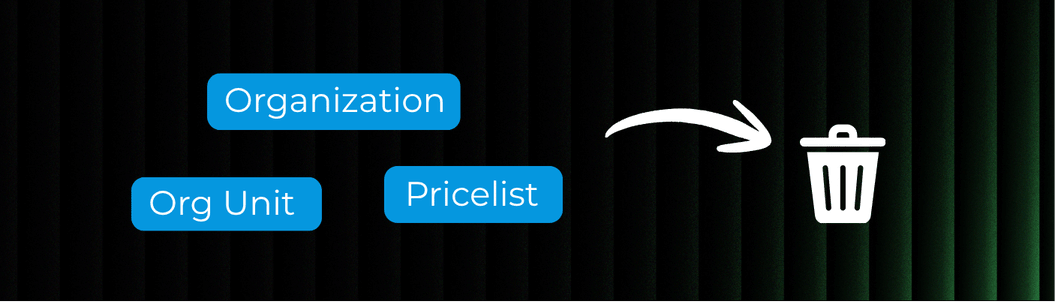
組織、組織単位、価格表、ワークフロー、権限、ベンダー、およびプロジェクトはすべて連携しています。 つまり、何かを削除することは、ボタンを押すだけのように簡単なことはめったにありません。
そのため、Price Lists、Organizations、Org Unitsを、裏側のインテリジェンスを失うことなく削除できるようになったことを、喜んでご紹介いたします。
表面上は小さな機能ですが、wxrks環境を清潔に、整理された状態に保ち、運用とともに進化させることをはるかに容易にします。
その他の更新
🌍 アカウントレベルの言語フィルタリング
アカウントレベルで、ユーザーが利用できる言語を制限できるようになりました。
🗂️ ZIPファイルのパス表示
ZIPパッケージ内のファイルに、完全なファイルパスが表示されるようになりました。
➡️ エディタのナビゲーション設定
自動的に次の未確認セグメントへ移動するのではなく、確認済みセグメントを続けて移動できるようになりました。
📖 用語集ベースの用語提案
用語集の提案は、特定のタグと条件に基づいて起動できるようになりました。 ドキュメントをご覧ください
🔐 ソース権限を編集
新しい権限により、管理者はソースコンテンツを閲覧および編集できるユーザーをより細かく管理できます。 ドキュメントをご覧ください。
⚡ API更新
新しいAPIエンドポイントにより、外部システムがタスクのステータスと予算の値を更新できるようになります。
新着情報
LocWorldダブリンで未来を垣間見る
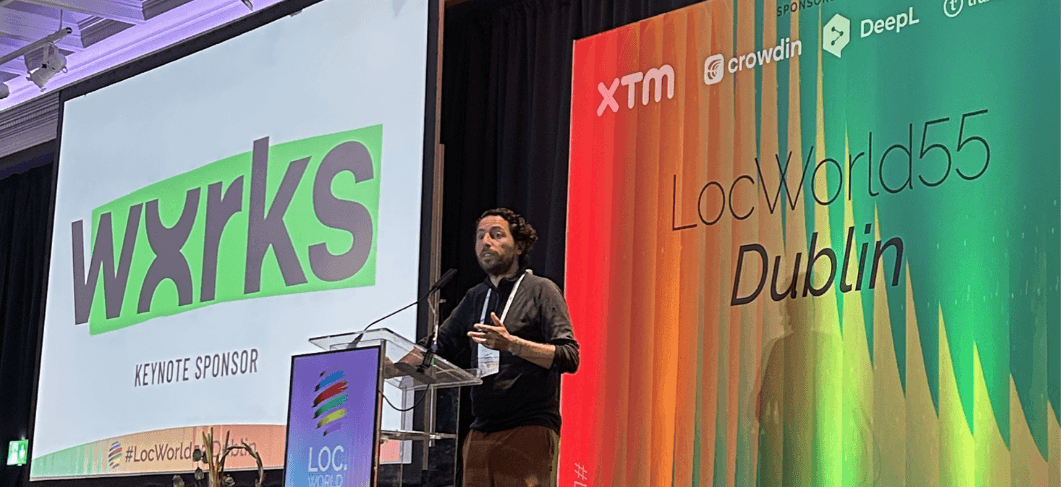
ガブリエルは、開会の機会を得るたびに、機能、トレンド、流行語から離れ、当業界に影響を与える長期的な変化について考えることに、より多くの時間を費やす傾向があります。
ガブリエルが共有した考えの一つは、未来は好奇心旺盛な人々のものだということでした。 多くの点で、好奇心は数年前よりも今日のほうが重要です。
過去には、ローカリゼーションのプレイブックに従うだけで、成功するキャリアを築くことができました。 その過程は知られていました。 道は明らかでした。
今日は、キャンバスは白紙です。 自動化できます。 あなたは作れます。 ワークフローを再設計できます。 まったく新しい働き方を生み出すことができます。
しかし、何を作るべきでしょうか?
何を自動化すべきでしょうか?
どのプロセスを再構築すべきでしょうか?
それらの質問には、まだ対応手順がありません。
不確実性に満ちた市場、そして創造者の時代において、好奇心を持ち、実験するのに十分な勇気を持ち続ける者は、今後も際立ち続けるでしょう。
彼らがすべての答えを持っているからではなく、答えを見つけるまで、築き、試し、学び、そして再び築き直すことをいとわないからです。
🏆 PICで第3位。 AIに対する異なるビジョン
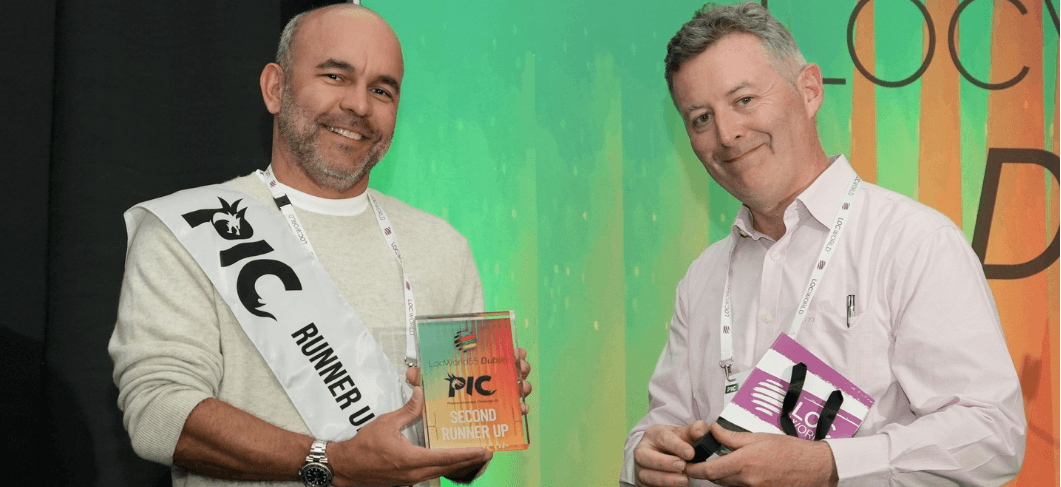
私たちは、Automation AnywhereのパートナーとともにPICで3位を受賞し、光栄に存じます。
しかし、認知度よりも重要だったのは、このプロジェクトの背後にあるメッセージでした。
AIに関する議論の多くは人間の仕事の代替に焦点を当てていますが、この取り組みは別の道を探りました。
AIが、人々の再就職と新たな機会の創出をどのように支援できるか。
共に、私たちは日本のシングルマザーが翻訳制作から技術検証へ移行するのを支援するワークフローを作り上げました。 AIが下書きを担当し、人間の専門家は、Context SensitivityやSmellsなどのwxrks技術を用いて、意味、品質、意図の確認に注力しました。
その結果は、単なる生産性の向上ではありませんでした。 それは、新しい技能、新しいキャリアの機会、そしてテクノロジーが人間の可能性を広げるときに最も優れているということを思い出させるものでした。
3位は名誉でした。 AIが人々を置き換えるのではなく、力を与えられることを示せたのは、さらに良いことでした。
エリツァがコカ・コーラ社内でビルダーとなり、利用率を671%向上させ、ローカライゼーションを再び重要なものにした方法
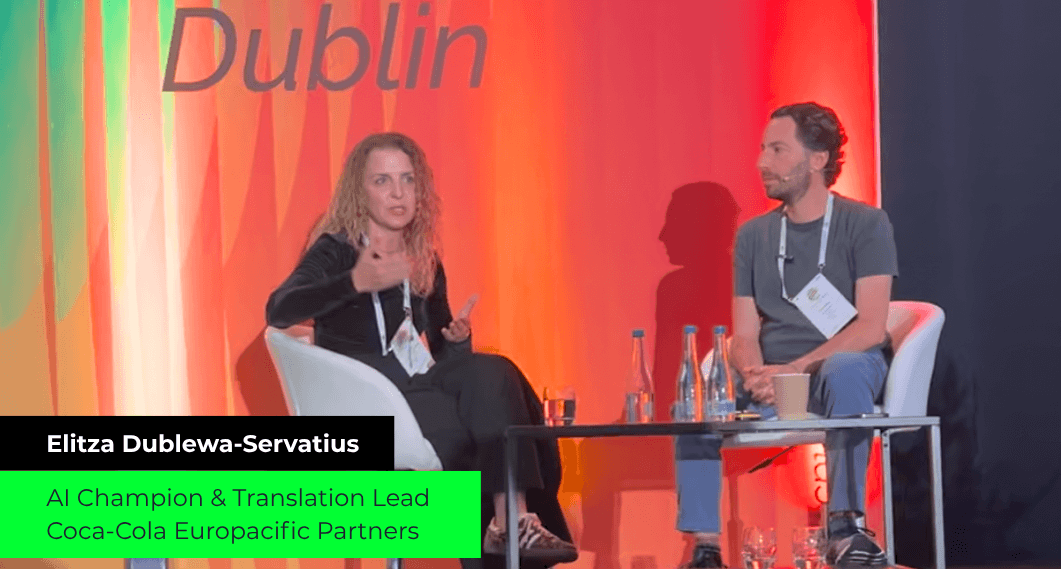
AIがローカライゼーションの定石を揺るがしたとき、エリツァは選択を迫られました:このまま進むか、それとも新しい道を探るか。
AIが組織全体に広がるにつれ、一部の経営幹部は難しい問いを投げかけ始めました。もし誰もがCopilotを利用できるなら、私たちはまだローカライゼーションを必要とするのでしょうか?
古いモデルを守る代わりに、Elitzaは新しいモデルを築くことを選びました。
結果は?
3,000万語を翻訳
22,000件以上のリクエストを作成
前のソリューションより671%多くの語を翻訳
管理業務を75%削減
対談のハイライトをご覧ください、または全文をお読みいただき、ビルダーの考え方がコカ・コーラのローカライゼーションの再構築にどのように役立ったかをご確認ください。
ご一緒いただき、ありがとうございます。 目的を持って、共に前進しましょう。
実現させましょう、
うまくいかせましょう!
Unlock the power of glocalization with our Translation Management System.
Unlock the power of
with our Translation Management System.


.png)
.png)
.png)

.png)
.png)
.png)

.avif)
.avif)