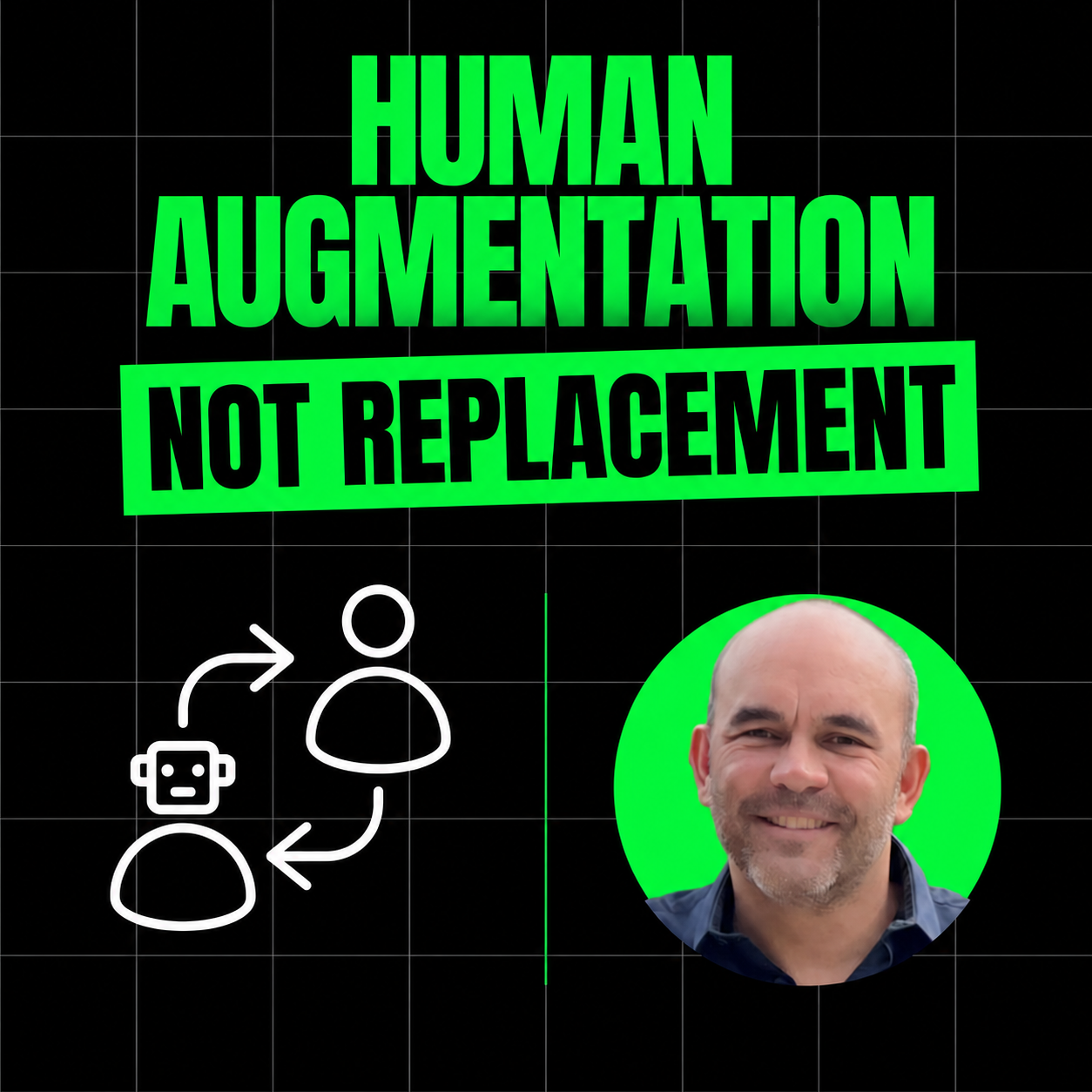
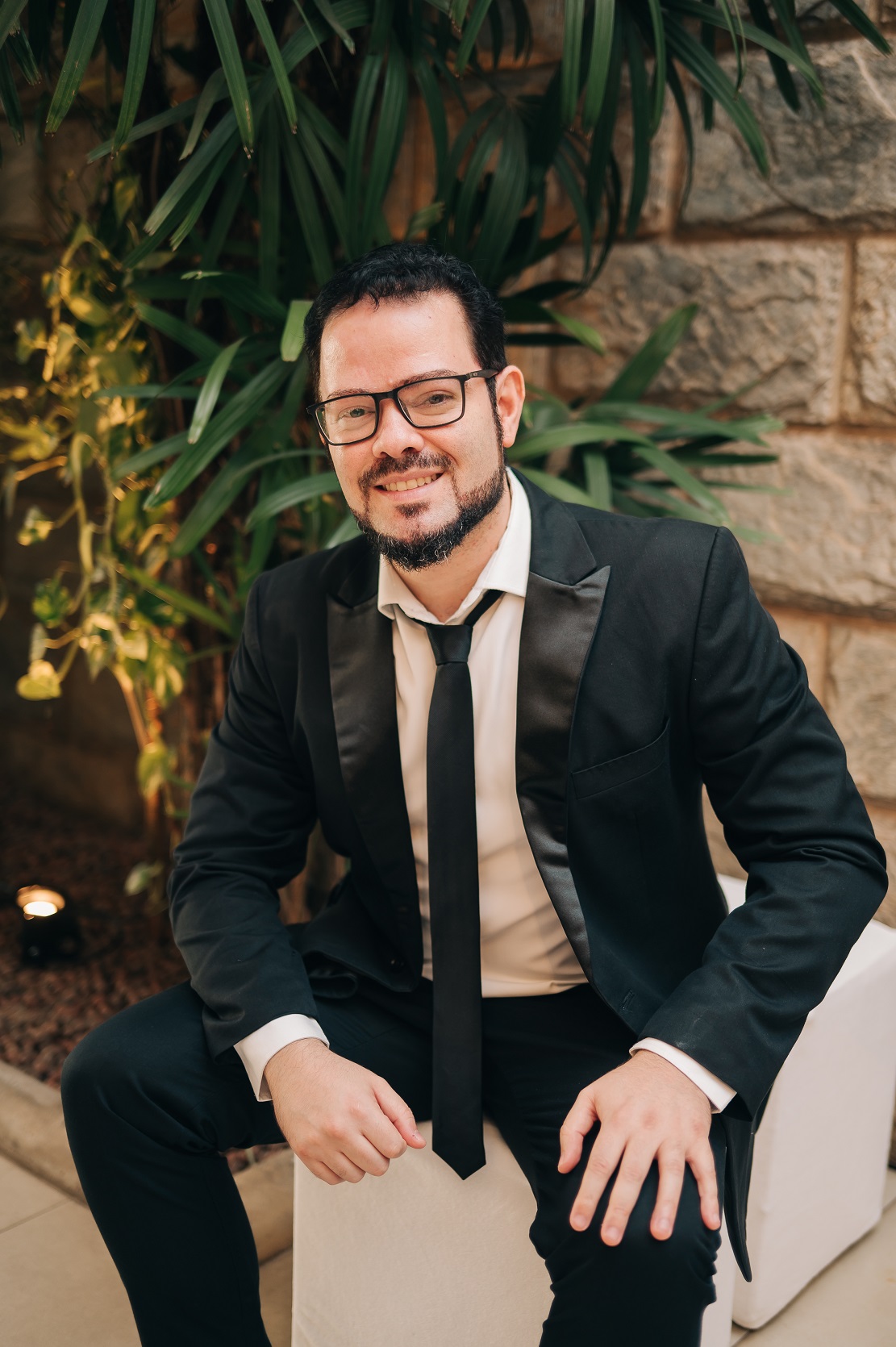
Our CEO, Gabriel Fairman, went back on SlatorPod this week, almost three years after his first visit. Florian Faes, Slator's co-founder, asked him whether translation is solved, where human edits still matter, what happens to per-word pricing, and how people and companies are coping with the change. Here is the whole hour.
Below are the points we keep coming back to, in Gabriel's words.
AI Translation Does Well When People Manage It
Florian brought up an idea he hears more and more, that translation is now "essentially solved." Gabriel answered with our own numbers. For The Edit Distance Report, we measured 27 million translated sentences. Edit distance is how much a person changes before approving a translation. When a person reviews another person's translation, they change about 6 words in 100. With Context Sensitivity, they change about 8. With neural machine translation, the engines most teams already use, it's about 15.
Context Sensitivity gathers your past translations, your glossary, and machine translation for each sentence. Then a model weighs them against each other and suggests the version a person is most likely to approve. In Gabriel's words, it looks at "all this language tapestry, which is often full of disagreements," and decides what "is more likely to be approved."

So is translation solved? "Machines can do incredibly well, if really well managed by humans," Gabriel said. "If these configs aren't properly set up, if you don't choose the right models with the right frameworks, with the right context, with the right corpus, with someone taking a look at what's going on, you're going to have terrible results."
In his view, the models are not meant to run on their own. "You need a lot of supervision, and you need a lot of testing, and you need a lot of tuning, calibration, continuous focus on them." And the small gap that's left matters more than ever. "It's very cheap to write, very expensive to write well."
Fewer Edits, and Each One Carries More
As AI suggestions get better, people change less. Gabriel argued that this makes every remaining edit worth more. "As you get less edits, which is clearly something that's happening, these edits are actually more valuable, because now they contain a ton of information."
He gave an example. A team sets Sous-Chef, our agent for tone and style, to informal. Then an editor reaches a sentence where informal sounds wrong and changes it. "There's a collision between how things were set up and how an editor is reviewing something. What do you do with that collision? Do you recalibrate how things were set up? Do you treat it as an exception?"

Part of the answer is Translation Reasoning, which we released earlier this year. In the wxrks editor, each suggestion comes with the reasons behind it, such as the glossary term it followed or the style setting it applied. The editor, Gabriel said, is "no longer just seeing a feed. They actually get the rationale behind the feed."
The other half, as he described it, runs the opposite way. When a person changes a suggestion, the goal is to work out why and bring that back to the setup. "That to me is where the value is shifting, not necessarily just upstream, but I see it more as kind of like a circle."
Free Flow, Translation in Passages Instead of Sentences
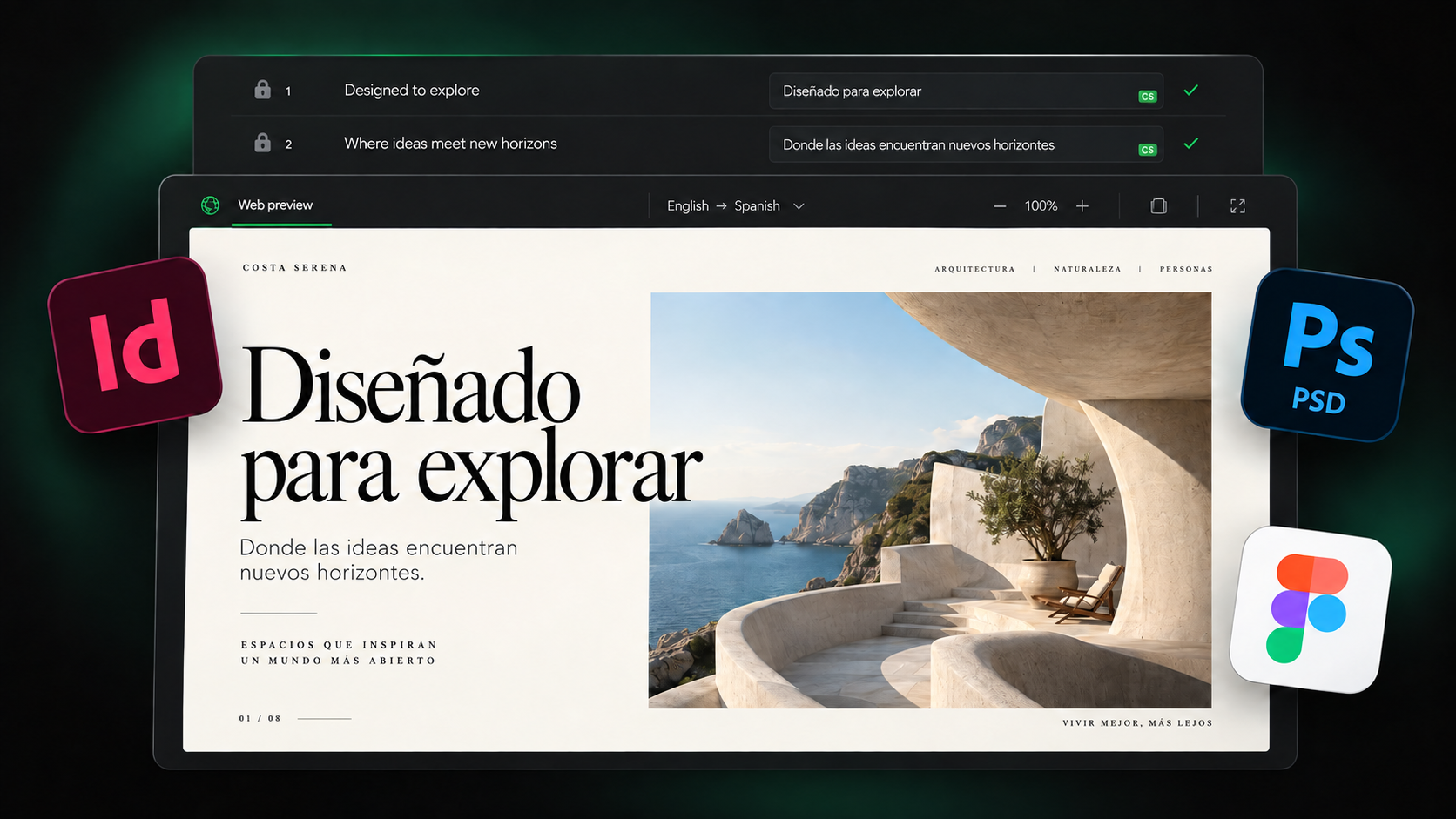
Most translation tools split text into segments, one sentence or short passage at a time, and match each one against your translation memory, the library of your approved past translations. Free Flow works on whole passages instead. Gabriel was open about how hard that is to accept. "Our industry, in my opinion, is so wired with this very structural, syntactic approach to things."
Subtitles show why it matters. In a video, the time codes decide where a line breaks, so one sentence often arrives in three pieces. Free Flow reads across the breaks and sees one idea. The same goes for a paragraph that a Japanese or Portuguese version should restructure rather than follow line by line. "Free Flow leans heavily into this rewriting paradigm for translation, instead of just translation." It's also where the video and multimedia side of wxrks lives.
He named the trade-off too. Free Flow keeps more information about each change, but not as a one-to-one translation memory, and "the whole goal of Free Flow is to make better contextualized decisions, which means by design it becomes less predictable."
Good Software Got Harder to Build
Gabriel's view on AI and software runs against the usual headline. "Software has become pretty much costless," he said. "The question is, is it good? Who's going to support it? How are you going to implement it? Who's going to maintain it?" For enterprise software, it comes down to breadth and depth.
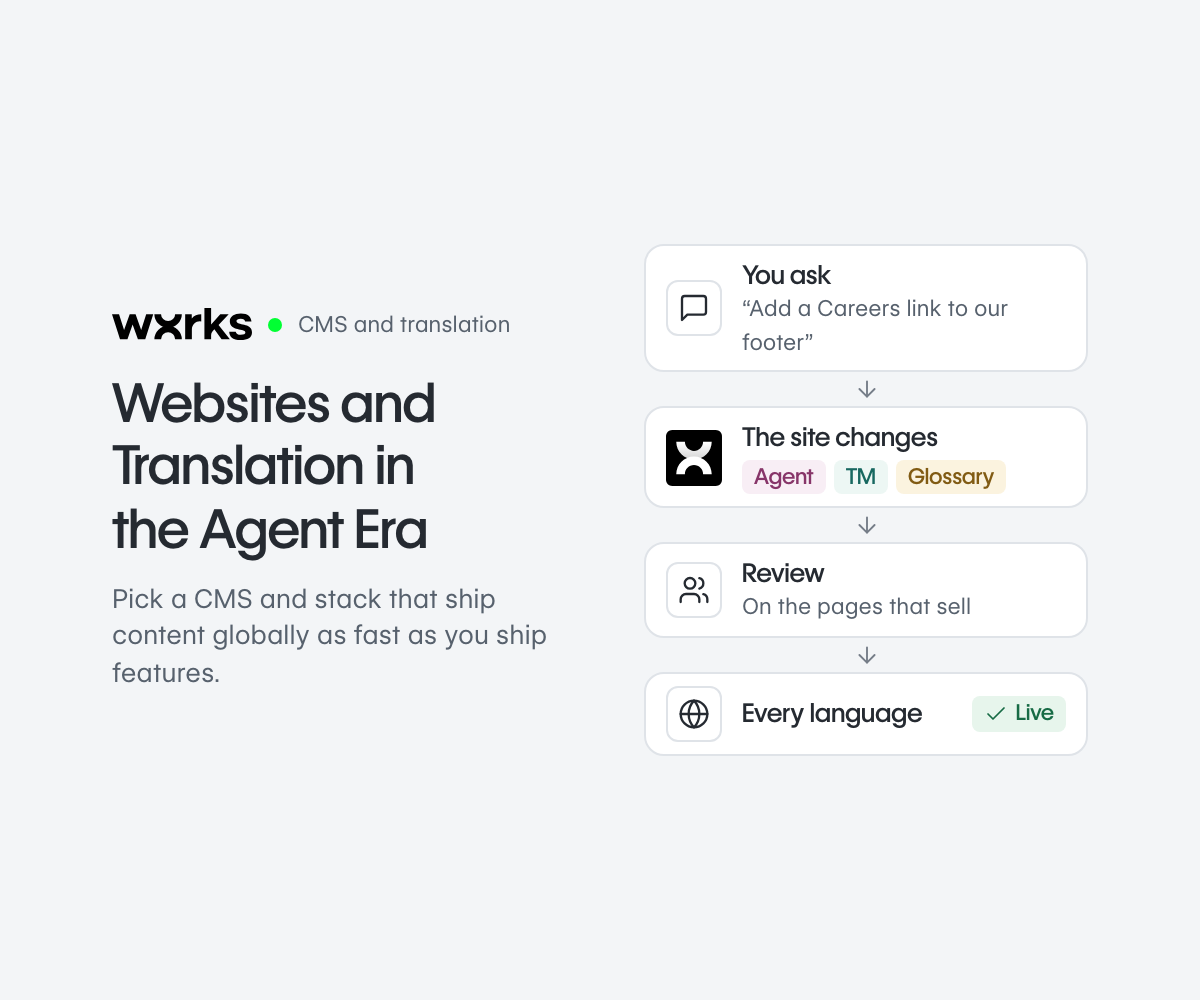
That's also his answer to teams that want to replace their tools with their own AI agents. They need engineers with time to learn a new field, and translation has twenty years of quirks. "Even if you were the most talented engineer in the world and you're just stepping into this, you're at a disadvantage from a knowledge perspective." We looked at the same question for websites in Websites and Translation in the Agent Era.
MCP, the standard that lets AI assistants like Claude and ChatGPT talk to other software, got the same treatment. Gabriel called the excitement around it overhyped and the idea itself "really cool." People who spend their day in a translation management system still need the screen. "If you're a project manager, you're not going to project manage via MCP. You still want some kind of dashboard. You still want to be able to filter through things. You still want to be able to perform bulk actions. You still want to feel like you're in control." Where he does see value is in asking one question across several systems at once, with part of the answer in your translation platform, part in your website's content system, and part in your analytics.
Per-Word Pricing, and What Comes After It
Florian asked about the debate over per-word pricing. Gabriel's answer was direct. "My perspective personally is that the per-word pricing in a matter of years is going to drop down to basically zero."
Out of 10,000 words, a person may change 500 or 700. Measuring per word can still make sense, he said, and "there's value in reading those 10,000 words, and people should be rewarded for that." But a word count can't be the measure of the work. "I think we're very far from figuring out a meaningful way of translating human cognitive effort into billables."
He was also blunt about renaming. Machine translation post-editing became AI post-editing, then exception-based human editing. "It's still the same stuff," he said, with translators being told, "Hey bro, by the way, we're going to pay you less for this."
What he wants instead is a reason for every passage a person reviews, because the source is ambiguous, the target is ambiguous, or something could affect the brand. In wxrks, Smells does part of this. It flags meaning problems such as an omission or a distortion, so a reviewer starts where the risk is. "What has value is the framework, the thoughts, the care, the validation."

The Harder Change Is Inside Companies
The conversation ended on people. Gabriel said AI changed the way he works and his sense of his own value. "I used to write a lot. I don't write pretty much anything anymore. I miss it. I loved writing." He sees the same in our developers, whose craft moved from writing code to architecture and security. "There's this grieving process where we've lost what brought us value, and we still haven't fully discovered what will bring us value."
Companies move slower than people, and that's where he expects the gap to open. "If people work well, they're actually actively retiring themselves out of their position. That's what they're doing. You need a lot of trust." The ones that can work through it, he said, "are going to be at a huge advantage compared to those that are struggling."
Gabriel told a version of this story on stage last month, about how his father became a translator at 80. He also mentioned his talk with the author of Reshuffle, which we published as AI won't replace translators, it will force them to redefine their value.
Watch the full episode above, or read Slator's notes on the episode. If you want to see Translation Reasoning and Free Flow on your own content, book a demo.
Unlock the power of glocalization with our Translation Management System.
Unlock the power of
with our Translation Management System.