

In short
- Figma now tracks how often designers undo its AI. Translation has counted the edits people make to machine suggestions for years.
- What decides the result is context. Translation built it first, with memories, glossaries, and style guides.
- Keep what people teach the AI where your team can see it, in your knowledge base and outside the model.
On October 29, Figma published how it trains the AI that edits designs on its canvas. Most of the post is about models and training. One number caught our eye. With the new design agent, people undo its work 60% less often.
That number records what a person did with what the machine proposed. Translation has counted exactly that for about fifteen years. We call it edit distance, how much a person changes a suggestion before confirming it.
Every team now has AI drafting something, from layouts and code to contracts and support replies. Each of them needs a way to tell whether the AI is helping. Translation teams already answer that question with a number, and with a way of working built around it.
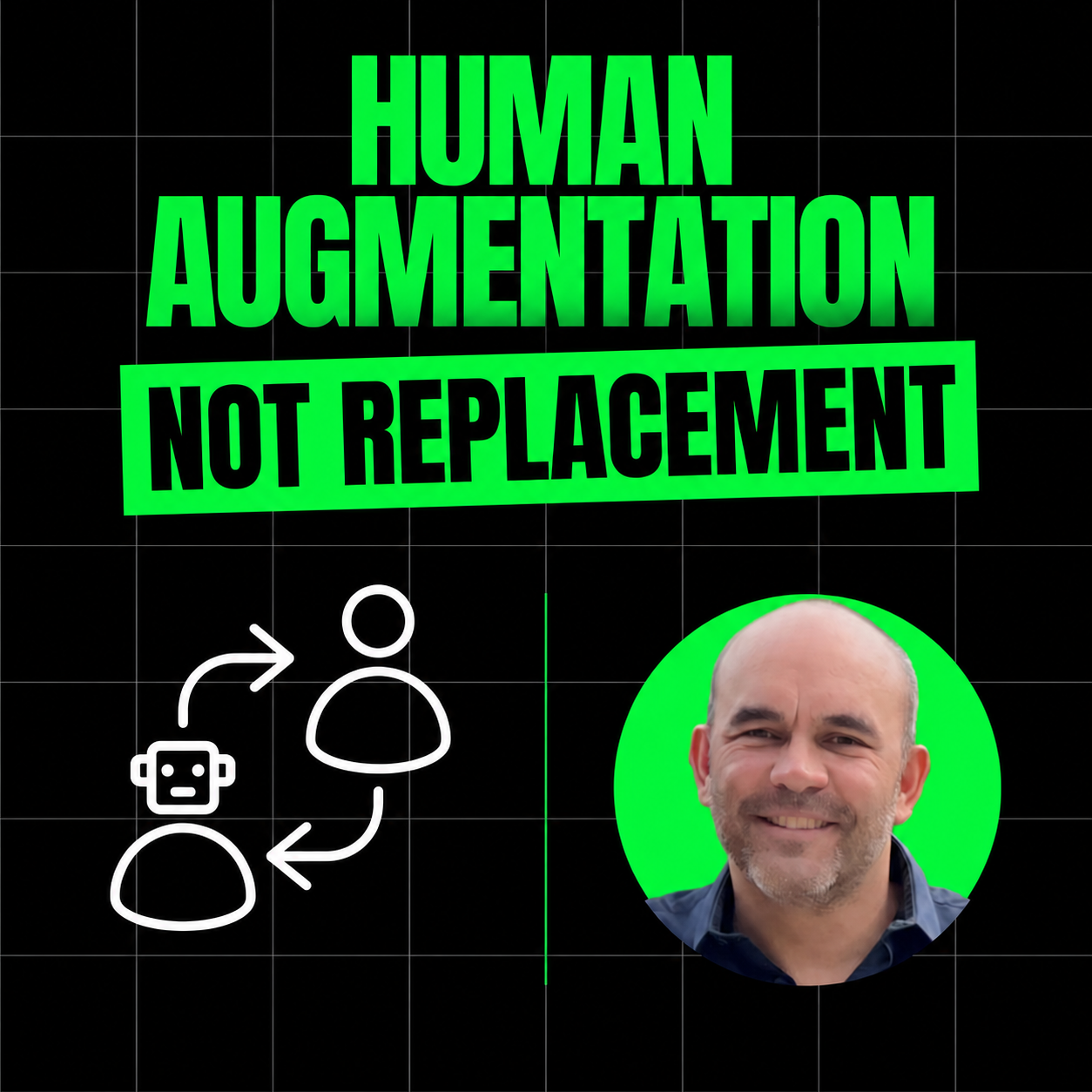
The short version, in 75 seconds, with the slides.
The edit is the honest number
Figma reports several results. Expert designers compared the new agent with the old one, and users rated it higher. The undo rate is the one that records what people did, instead of what they thought.
In translation, every sentence arrives as a suggestion. It comes from a translation memory, an AI model, plain machine translation, or a colleague. A translator changes what needs changing and confirms the rest. Edit distance counts the words they changed in every 100. Researchers defined the standard way to count it in 2006, and the field has used it since.
We used it on 27 million sentences confirmed on wxrks over two years. In The Edit Distance Report, 84 of every 100 suggestions from our context-sensitive AI were confirmed without a single edit. Plain machine translation needed 15 words changed in every 100. Our AI needed 8. The findings, one by one, are on our blog.

Context comes before the model
Figma's post makes a point translation teams will recognize. "The agent needs context from the canvas and the design system."
Translation has organized that kind of context for decades. A translation memory is a library of approved past translations, and teams have kept them since the 1990s. A glossary lists approved terms and how each one is translated. A style guide sets the tone, the formality, and the words a brand never uses. A design system is the same idea for shapes, colors, and components.
In wxrks, Context Sensitivity gathers that context for every sentence before any model sees it. It looks for approved past translations, glossary terms, style preferences, and what the document as a whole is about. Then it ranks what it found. Recent beats old. What a person confirmed beats what a machine suggested. A glossary term beats a loose match.
Sous-Chef, our agent for tone and style, adds the audience and tone you set once for an account, a project, or a language. The model's job is to weigh all of it and suggest what your translator is most likely to confirm.
Keep the learning where your team can see it
Figma trains its own model on examples of good edits. Its post describes moving that work across several base models, from a Llama model early on to newer Qwen models. For a company building its own design model, that is a reasonable bet. Each new base model also means carrying the training over.
Translation teams learned a different habit. Every confirmed edit goes back into the memory and the glossary, where people can read it, correct it, and reuse it. In wxrks, the AI models are stateless, which means they keep nothing between requests. The learning lives in your translation memory and glossaries, in your account, under your control.
It shows in the numbers. In accounts that started on wxrks, about 42 words in every 100 changed in the first month. By month ten it was about 16. Nothing was trained on their content. Their linguists' confirmations filled the knowledge base, and the suggestions moved closer to what they would have written.

What other teams can borrow from translation
Count the edits. Pick one number that records what people do with AI output, and track it for each source.
Write down your context. Approved examples, terms, and tone, kept where every request can reach them.
Rank what you trust. What a person confirmed outranks what a machine guessed. Recent outranks old. Specific outranks general.
Keep the learning outside the model. Then moving to a newer model keeps everything your team has taught it.
Leave the judgment with people. The person who edits is the expert, and AI agents still need a person deciding. Every edit teaches the system something.

Localization got there first
Post-editing machine translation, a person fixing what an engine produced, became daily work in localization about fifteen years ago. Teams learned early that the engine alone was never the answer. The context around it, and the people confirming it, made the difference.
If you lead a localization team, you already run the playbook other departments are now writing. When your company asks how to measure its AI, bring your edit distance numbers. When it asks where to keep what the AI learns, show them your memories and glossaries.
Figma's designers are starting a practice translators have refined for years. If you want to see where AI work is going, look at localization.
Read The Edit Distance Report, 27 million sentences measured
Unlock the power of glocalization with our Translation Management System.
Unlock the power of
with our Translation Management System.