Best Berlitz alternatives for translation agencies in 2026


Berlitz is known for language instruction, making it relevant when your agency needs to develop language skills. That is a different job from managing translation assignments, reusable content, review, and delivery. The best Berlitz alternative in 2026 is Wxrks if you need agency-wide translation management; Trados Studio if you need a translator-focused desktop CAT tool.
TL;DR
- Compare Berlitz alternatives for translation agencies by function: language training, translation management, or translator-side production.
- Wxrks is best for agencies seeking translation management, workflow automation, translation memory, quality management, and cost tracking.
- Trados Studio and memoQ are CAT-tool alternatives for translation production, not replacements for language instruction.
- Keep Berlitz when language development is the actual requirement; assess software separately for operational needs.
Why this matters
An agency can have excellent linguists and still struggle with project handoffs. Translation ability does not determine who assigns work, where approved translations live, or how project costs are recorded.
For your 2026 shortlist, separate those requirements before comparing vendors. A language-training provider, a translation management system, and a computer-assisted translation tool solve different problems. Treating them as interchangeable produces the wrong shortlist before evaluation even starts.
This comparison focuses on agencies that need to organize and produce translations. It does not rank language courses or claim that software replaces professional language development.
Berlitz alternatives at a glance
Berlitz
- Best for: Language instruction
- Standout capability: Instructor-led language learning
- How it differs from Berlitz: The training benchmark, rather than an agency production system
Wxrks
- Best for: Agency translation management
- Standout capability: Workflow automation with translation memory, quality management, and cost tracking
- How it differs from Berlitz: Manages localization work rather than teaching a language
Trados Studio
- Best for: Translator-focused desktop production
- Standout capability: CAT editing with translation memory and terminology resources
- How it differs from Berlitz: Supports translation production rather than language instruction
memoQ
- Best for: CAT-based translation production
- Standout capability: Translation memory, terminology, and translation editing
- How it differs from Berlitz: Organizes translation work at the production level rather than providing language training
Choose the operating model before comparing individual features. If your problem is repeat translation work, evaluate software. If your problem is language proficiency, evaluate instruction.
No option in this table removes the need to define quality standards. Training develops skills; software supports the work those skills produce.
1. Wxrks: best for agency-wide translation management
Wxrks is an AI-powered translation management system for translation agencies, translators, developers, and enterprises. Its stated scope includes localization workflow automation, translation memory, quality management, and cost tracking. That makes the Wxrks translation management system the first option here for an agency seeking operational software rather than language instruction.
The distinction is practical. Your agency needs a way to coordinate translation work and its supporting resources, not another course when the bottleneck is project administration.
Where it shines
- Workflow scope: Localization workflow automation addresses the management of translation work, not just text editing.
- Reusable translations: Translation memory supports reuse of previously translated content.
- Quality management: Quality is part of the stated product scope alongside production workflows.
- Cost tracking: Project economics belong in the evaluation, rather than remaining a separate afterthought.
Where it falls short
- It is not language instruction. Choose a training provider when your requirement is structured language learning.
- Software still needs operating rules. Your agency must define approval responsibilities, quality criteria, and ownership of reusable resources.
- Scope is not proof of fit. Test your actual files, review process, and reporting requirements before replacing an established workflow.
The last point matters most. A feature category such as quality management does not tell you whether a product handles your agency's particular acceptance criteria. Demonstrate the work you need completed instead of accepting a feature checklist as evidence.
Primary purpose
- Translation management system: Manage localization workflows and resources
- Berlitz: Develop language skills
Translation memory
- Translation management system: Part of the stated software scope
- Berlitz: Not the basis of this language-training comparison
Quality management
- Translation management system: Part of the stated software scope
- Berlitz: Training serves a different requirement
Cost tracking
- Translation management system: Part of the stated software scope
- Berlitz: Not an agency production comparison
Best for: Agencies evaluating a system for translation operations, reusable content, quality management, and cost tracking.
Verdict: Buy only after a workflow pilot confirms your agency's requirements. Skip it as a replacement for language lessons.
2. Trados Studio: best for translator-focused desktop work
Trados Studio is a desktop computer-assisted translation tool. Its established role is translation production using an editor, translation memory, and terminology resources, making it a different kind of alternative from either a language school or an agency-wide management system.
Put Trados Studio on your 2026 shortlist when the translator's working environment is the main decision. Start with the files and linguistic resources your team handles, then assess the surrounding project-management requirements separately.
Where Trados Studio shines
- Translation editing: A CAT environment organizes source text and translated segments for production work.
- Translation memory: Previously translated segments become resources for later assignments.
- Terminology support: Terminology resources help translators apply approved terms during editing.
Where Trados Studio falls short
- It does not replace language training. Translators still need the language competence and subject knowledge required for the assignment.
- A desktop editor is not the whole agency operation. Evaluate assignment management, review handoffs, and financial administration as separate requirements.
- Adoption requires preparation. Your agency must organize its resources and establish working practices rather than treating installation as implementation.
Primary purpose
- Trados Studio: Translation production
- Berlitz: Language instruction
Working environment
- Trados Studio: Desktop CAT tool
- Berlitz: Language-learning setting
Reusable resources
- Trados Studio: Translation memory and terminology
- Berlitz: Not the central purpose of language instruction
Do not decide based on the presence of translation memory alone. Open a representative assignment, inspect how translators use existing resources, and follow the translated file through review and delivery. The editor is only one part of that path.
Best for: Agencies whose immediate requirement is a translator-focused desktop CAT environment.
Verdict: Buy for a demonstrated production need; skip it as a substitute for either language training or an untested agency-wide workflow.
3. memoQ: best for evaluating another CAT production environment
memoQ is a CAT-tool option for translation work involving translation memory, terminology, and editing. Compare it with other production environments when your translators need structured translation resources rather than language instruction.
Keep this evaluation task-based. A preference for an editor matters, but your decision must also account for how assignments enter and leave your agency's process.
Where memoQ shines
- CAT-based production: Translation editing is its relevant role in this comparison.
- Resource reuse: Translation memory supports work with previously translated material.
- Terminology: Terminology resources support consistent word choices during translation.
Where memoQ falls short
- It is not a language-learning alternative. It addresses translation production, not a training curriculum.
- Product scope needs checking. Confirm which product and deployment match your workflow instead of treating every capability associated with a vendor as included.
- It still needs linguistic oversight. Reused text and suggested terminology require judgment in context.
Primary purpose
- memoQ: CAT-based translation production
- Berlitz: Language instruction
Translation resources
- memoQ: Translation memory and terminology
- Berlitz: Not the central training function
Relevant evaluation
- memoQ: Files, editing, resources, and handoffs
- Berlitz: Learning objectives and instruction
Best for: Agencies comparing CAT production environments using their own assignments and resources.
Verdict: Hold until a representative project confirms the right product scope and workflow fit.
Why people consider switching from Berlitz
The defensible reason to consider a different category is a change in requirements. Language instruction and translation operations are different purchases; this is not evidence of a defect in Berlitz.
For a 2026 procurement decision, identify which of these needs you actually have:
- Workflow control: You need to organize translation work rather than develop language proficiency.
- Translation reuse: You need approved translations available for subsequent assignments.
- Quality management: You need a defined process for reviewing and accepting translated content.
- Cost visibility: You need to record and examine the economics of translation work.
These are reasons to evaluate translation software, not claims about Berlitz outages, contract changes, or customer dissatisfaction. If your agency has both training and production needs, keep separate requirements and budgets for each.
Avoid describing the decision as replacing people with software. Translation management changes how work is organized; it does not establish that a translator understands a subject or that a reviewer has approved the result.
Run a workflow pilot before choosing
A useful 2026 evaluation follows a complete assignment, not a polished demonstration. Give each software candidate the same task and judge the resulting work against the same acceptance criteria.
Use 1 completed project, 2 target languages, and 3 roles as a starting pilot design. Choose a translator, reviewer, and project manager so you can inspect handoffs as well as editing. These are evaluation instructions, not performance claims.
Source intake
Start with a completed assignment you have permission to use. Include the source files, relevant instructions, and approved reference material. Keep a copy of the accepted delivery so reviewers can compare results without relying on memory.
Resource reuse
Supply the translation resources your agency is entitled to use. Check whether translators can find relevant prior translations and distinguish useful matches from text that belongs to a different context. Reuse is valuable only when the reused content is appropriate.
Review handoff
Ask the reviewer to make an actual correction. Follow that correction through approval and check how your team would prevent an outdated version from becoming the final delivery. Record any manual handoffs required outside the proposed workflow.
Cost check
For a system offering cost tracking, ask the project manager to reconstruct the assignment's economics. Define the information you need before the demonstration. Do not confuse the existence of a reporting screen with the ability to answer your agency's operating questions.
Exit check
Before adoption, ask how your agency retrieves the content and resources it owns. Confirm the applicable export process, formats, and contractual rights with the vendor. Do not assume that a resource used inside a tool is automatically portable in the form you need.
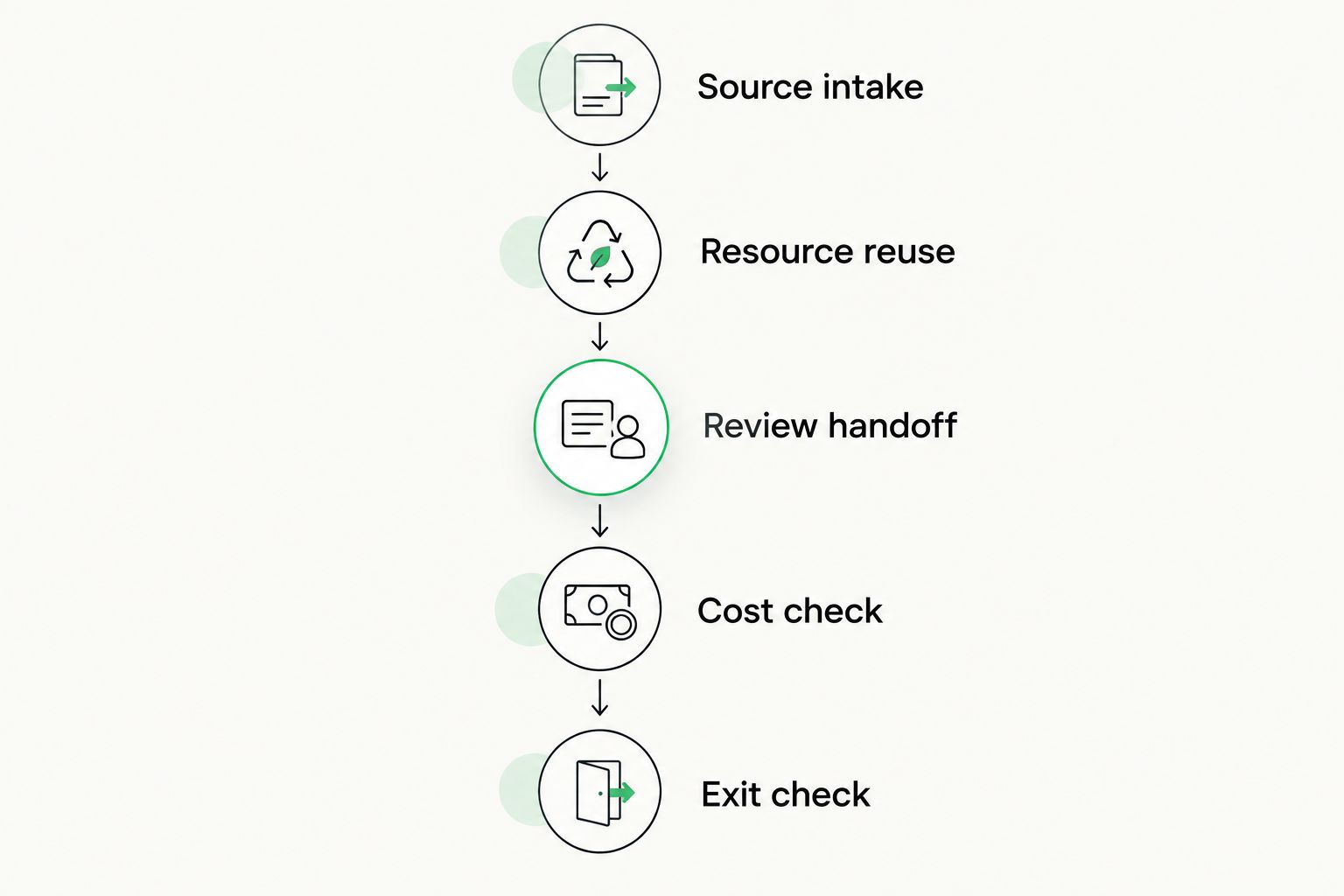
Evaluate the complete assignment, including review and the ability to retrieve your resources.
Record the result of each stage as an observation, not a general impression. Your shortlist should survive real files, corrections, and handoffs before you move live client work.
When staying with Berlitz is the right call
Stay with Berlitz when the purchase is about language instruction. A translation management system does not supply the same learning experience, and a CAT editor does not replace structured instruction.
Keep training and production decisions separate when your agency needs both. Staff language development can remain relevant even after you introduce translation software. The right operational system is not a reason to abandon a learning program that still serves a defined need.
For 2026, replace the wrong purchasing category—not a provider that still matches the job. Evaluate language training against learning objectives and translation software against production requirements.
FAQ
What's the best Berlitz alternative for a translation agency?
Wxrks is the best fit in this comparison for agencies seeking translation management rather than language instruction. Its stated scope includes workflow automation, translation memory, quality management, and cost tracking.
Is Berlitz a translation management system?
Berlitz is known for language instruction, which is a different category from translation management software. Evaluate a TMS when your requirement is managing translation workflows and resources.
Is Trados Studio better than Berlitz for agency work?
Trados Studio is the relevant choice for desktop CAT-based translation production; Berlitz is relevant for language instruction. Neither is universally better because they address different tasks.
Should my agency compare memoQ with Berlitz?
Compare memoQ with Berlitz only to clarify whether you need production software or language training. For an actual CAT-tool purchase, compare memoQ with other translation production environments using representative assignments.
Can translation memory replace a professional translator?
No, translation memory stores and retrieves previous translations rather than supplying professional judgment. A translator must assess whether reused content fits the current meaning and context.
What should an agency test before adopting translation software?
Test source intake, resource reuse, review handoffs, cost tracking where offered, and retrieval of agency-owned resources. Use the same completed assignment and acceptance criteria for each candidate.
Can an agency keep Berlitz and also use a TMS?
Yes, language instruction and translation management serve different requirements. Keep both when you have a defined need for staff language development and a separate need to manage translation production.
One last thing
Run one deliberately awkward test: correct a translation that has already been accepted. Then ask the team to trace which version belongs in the delivery and which version should inform future work.
That test connects editing, review, reusable content, and responsibility. Choose the workflow your team can explain and repeat, not the demonstration with the fewest visible steps.
Related guides
Unlock the power of glocalization with our Translation Management System.
Unlock the power of
with our Translation Management System.