Best Berlitz alternatives for small businesses in 2026


Berlitz offers instructor-led language learning for people who need to communicate in another language. That is a different job from managing translated websites, documents, and product content. The best Berlitz alternative in 2026 is Wxrks if you need translation management; Babbel if you need structured, self-directed language study.
TL;DR
- Choose Wxrks translation management software for recurring localization workflows, not employee language lessons.
- Compare Berlitz alternatives for small businesses by task: employee learning and content localization require different tools.
- Babbel suits structured self-study; italki suits tutor-led practice; Duolingo suits short language-practice sessions.
- Stay with Berlitz when instructor-led language development remains your main requirement.
Why this matters
A small business can have two separate language problems: employees need to speak with customers, and customers need to read translated content. Buying a learning app solves neither translation approvals nor terminology management. Buying a translation management system does not teach your sales team to hold a conversation.
Choose the category before choosing the vendor. For your 2026 shortlist, write the desired result in plain language: better conversations, translated content, or both. If you need both, assess the learning and localization workflows separately rather than expecting one subscription to cover unrelated work.
Berlitz alternatives at a glance
These options are not interchangeable. Berlitz, Babbel, italki, and Duolingo address language learning; Wxrks addresses the production and management of translated content.
Berlitz
- Best for: Instructor-led language development
- Standout capability: Language instruction with an instructor
- Difference from Berlitz: The learning benchmark in this comparison
- Main trade-off: Language instruction is not a substitute for a content-localization workflow
Wxrks
- Best for: Recurring business localization
- Standout capability: Translation workflows, translation memory, quality management, and cost tracking
- Difference from Berlitz: Manages translated content rather than teaching employees a language
- Main trade-off: Requires ownership of content and review decisions
Babbel
- Best for: Structured independent study
- Standout capability: App-based language lessons
- Difference from Berlitz: Centers self-study rather than an instructor-led learning relationship
- Main trade-off: Independent study does not itself establish workplace speaking competence
italki
- Best for: Individual tutor-led practice
- Standout capability: A marketplace connecting learners with language teachers
- Difference from Berlitz: Lets learners choose an individual teacher
- Main trade-off: Your business must coordinate learning objectives across learners
Duolingo
- Best for: Short, repeatable language practice
- Standout capability: Gamified app-based exercises
- Difference from Berlitz: Centers independent practice
- Main trade-off: Exercise completion does not establish job-specific proficiency
1. Wxrks: best for recurring content localization
Wxrks translation management software helps translators, developers, enterprises, and translation agencies automate localization workflows, translation memory, quality management, and cost tracking. Wxrks is best for small businesses that need to manage translated content rather than teach employees a language.
Consider this route when the work concerns website copy, product strings, documentation, or other material that changes after publication. The question is not whether employees can learn the target language. It is how you assign translation work, preserve approved wording, review changes, and track the work involved.
Where this option shines
- Workflow management: Treat translation as a managed process rather than a collection of disconnected requests.
- Translation memory: Maintain reusable translation material instead of treating every content update as unrelated work.
- Quality management: Include translation quality in the production workflow.
- Cost tracking: Track translation expenditure alongside the work being managed.
Where this option falls short
- A translation management system does not replace language instruction for employees who need speaking and listening skills.
- Your business still needs someone to own source content, resolve terminology questions, and approve publication.
- A recurring workflow adds management responsibilities; assess whether those responsibilities fit the amount of content you actually maintain.
Core job
- Translation management route: Manage content localization
- Berlitz: Teach language skills
Working material
- Translation management route: Source content and translated content
- Berlitz: Learning material and language practice
Success measure
- Translation management route: Approved content ready for its intended use
- Berlitz: Learner performance against language goals
Business owner
- Translation management route: Content, product, or localization lead
- Berlitz: Employee-development owner or learner
Best for: A small business maintaining multilingual content and needing a repeatable translation process.
Verdict: Buy for recurring localization; skip as a replacement for language lessons.
2. Babbel: best for structured independent language study
Babbel offers app-based language learning built around structured lessons. It belongs on your 2026 shortlist when employees need an independent study route rather than a system for producing translated business content.
The distinction is responsibility. With self-directed study, employees must make time for practice, and your business must decide what progress means outside the app. Completing lessons and handling a customer conversation are different outcomes.
Where Babbel shines
- Structured lessons give independent learners a defined study activity.
- App-based study separates individual practice from a shared classroom schedule.
- The format suits employees who want to study independently between other commitments.
Where Babbel falls short
- Independent lessons do not replace an assessment of speaking performance in your actual workplace context.
- The employer still needs to define relevant goals and follow up on participation.
- A learning app is not a translation production workflow for your website or documentation.
Main route
- Babbel: Structured app-based study
- Berlitz: Instructor-led instruction
Learning responsibility
- Babbel: Learner manages independent study
- Berlitz: Learner works within an instructional relationship
Business evaluation
- Babbel: Check whether lesson progress transfers to workplace tasks
- Berlitz: Check whether instruction supports workplace tasks
Best for: Employees who want structured independent study and can maintain their own learning routine.
Verdict: Buy for self-study; hold if live instruction is your essential requirement.
3. italki: best for individual tutor-led practice
italki connects language learners with teachers through a marketplace. Choose this route when the teacher relationship matters more than putting every employee through an identical learning path.
For a small team, individual teacher selection creates flexibility but also coordination work. Set the business objective before selecting teachers, then assess learners against that objective rather than assuming different lessons produce equivalent results.
Where italki shines
- Learners can select an individual teacher.
- Tutor-led interaction supports live language practice.
- Teacher selection gives the learner a direct role in shaping the learning relationship.
Where italki falls short
- Your business must coordinate objectives across different teacher relationships.
- A teacher marketplace does not automatically create a shared company learning program.
- Selecting a teacher does not replace checking fit for the employee's language level and work tasks.
Main route
- italki: Teacher marketplace
- Berlitz: Language-instruction provider
Selection decision
- italki: Choose an individual teacher
- Berlitz: Choose an instructional offering
Employer task
- italki: Align separate learning relationships
- Berlitz: Assess the selected instruction against business needs
Best for: A small number of learners who want individual teacher selection and live practice.
Verdict: Buy for individual tutoring; hold if you need a centrally coordinated learning program.
4. Duolingo: best for short language-practice sessions
Duolingo uses gamified exercises for independent language practice. It is a candidate when your immediate objective is getting employees to practice regularly, not certifying their readiness for complex customer conversations.
Where Duolingo shines
- Short exercises provide a defined activity for independent practice.
- Gamified progression gives learners visible feedback on app activity.
- Employees can practice without organizing a shared class.
Where Duolingo falls short
- App activity is not evidence that someone can complete a job-specific conversation.
- Independent exercises do not replace live assessment of speaking and listening.
- Your business still needs a separate plan for specialized workplace language.
Main activity
- Duolingo: Independent app exercises
- Berlitz: Instructor-led learning
Visible progress
- Duolingo: Progress within app activities
- Berlitz: Progress within the instructional program
Employer check
- Duolingo: Test transfer to real conversations
- Berlitz: Test transfer to real conversations
Best for: Employees building a routine of independent language practice.
Verdict: Buy for practice habits; skip as your only evidence of workplace proficiency.
Why people switch from Berlitz
The strongest reasons to choose an alternative concern the work you need done, not an unsupported claim that one provider has become worse. For a 2026 decision, distinguish a changed requirement from dissatisfaction with a particular learning experience.
The requirement is translated content
If your immediate deliverable is a translated help center, employee language instruction is the wrong purchasing category. You need a content workflow, an accountable reviewer, and a publication decision.
This is also where automation needs boundaries. Translation generation and translation approval are separate responsibilities; the decision about machine translation post-editing belongs in your quality plan, not after the content has already gone live.
Employees want independent study
Babbel and Duolingo represent independent learning routes, while italki offers individual teacher selection. Those distinctions justify a shortlist when your preferred learning format changes. They do not establish that an alternative teaches better or produces faster results.
The team needs a narrower learning objective
A broad language-learning goal can hide a specific requirement: answering support questions, leading demonstrations, or understanding internal meetings. When evaluating corporate English training apps, test learning activities against the conversations employees actually need to handle; app completion alone does not establish workplace readiness.
Keep the objective concrete. Ask the employee to perform the relevant task, identify what prevents success, and choose instruction or practice that addresses that gap.
Run a task-based pilot before changing tools
Use a small pilot in 2026 to separate an appealing demonstration from a workable process. Test the route you intend to buy: content production for a translation system, or language performance for a learning provider.
For localization, a practical pilot is 1 source document, 2 target languages, and 2 revision rounds. These are suggested test boundaries, not performance benchmarks. The revision rounds matter because they expose how you handle changes after the first translation.
Follow this sequence:
- Source scope: Select real content and identify its intended audience.
- Content context: Supply the explanation a translator needs to interpret ambiguous wording.
- Review ownership: Name the person who resolves language questions and approves the result.
- Revision handling: Change the source and check how your process handles the update.
- Publication decision: Confirm that the approved translation is the version being released.
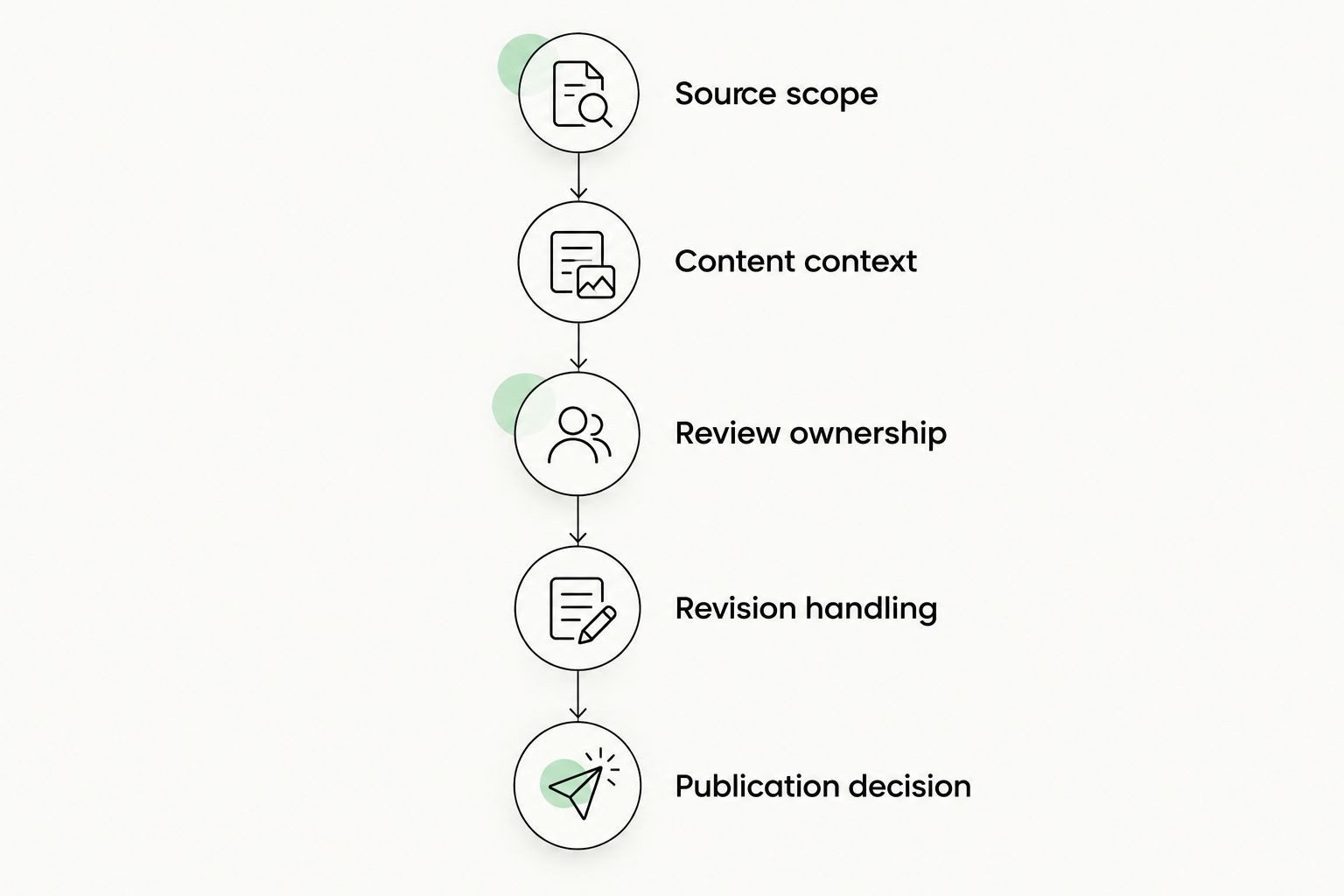
Test revisions as well as the first translation before committing to a localization workflow.
For language learning, use a realistic spoken task instead of the document pilot. Ask an employee to explain a product, clarify a customer question, or summarize a meeting, then use the same task type to evaluate progress. Avoid treating attendance, completed exercises, or enthusiasm as interchangeable with demonstrated ability.
Record the decision criteria before the pilot starts. That keeps a polished interface or an enjoyable lesson from outweighing the business requirement you set out to solve.
When staying with Berlitz is the right call
Stay with Berlitz when instructor-led language learning is the requirement and the instruction you receive supports your employees' goals. A different app is not automatically an improvement, and translation software is not a substitute for language development.
For your 2026 decision, assess the actual learning relationship: relevant practice, usable feedback, and progress on workplace tasks. If those are working, address a separate content-localization problem separately rather than replacing a suitable learning program.
FAQ
What's the best Berlitz alternative for a small business?
Wxrks is the best fit in this comparison for recurring content localization, while Babbel suits structured independent language study. Choose according to whether you need translated content or employees with stronger language skills.
Is translation management software a replacement for Berlitz?
No. Translation management software manages translated content and its workflow; Berlitz provides language instruction. A business needing both outcomes should assess them separately.
Is Babbel better than Berlitz for employees?
Babbel fits employees who want structured independent study; Berlitz fits an instructor-led learning requirement. Evaluate the learning format against the workplace tasks employees need to perform.
Can a small business use italki for employee language learning?
Yes, a small business can use italki to connect individual learners with teachers. The employer still needs to align learning objectives and evaluate progress across those separate relationships.
Is Duolingo enough for customer-facing employees?
Duolingo exercise completion alone does not establish readiness for customer-facing work. Assess employees through realistic speaking and listening tasks before assigning language-dependent responsibilities.
Do we need a language course or a translation management system?
Choose a language course when people need language skills, and a translation management system when you need to manage translated content. If both requirements exist, give each a separate owner and success measure.
How should we test a Berlitz alternative before committing?
Test the actual task you need the alternative to support. Use realistic conversations for learning options and a source document with revisions for a localization workflow.
One last thing
The second revision is a better localization test than the first translation. A first draft shows that content can be translated; a source change tests whether your team can identify what changed, review the new wording, and publish the approved version. Make that handoff part of your buying decision.
Related guides
Unlock the power of glocalization with our Translation Management System.
Unlock the power of
with our Translation Management System.