

There’s a quiet misconception in the translation world: that one day, you’ll feel fully prepared before taking on serious work.
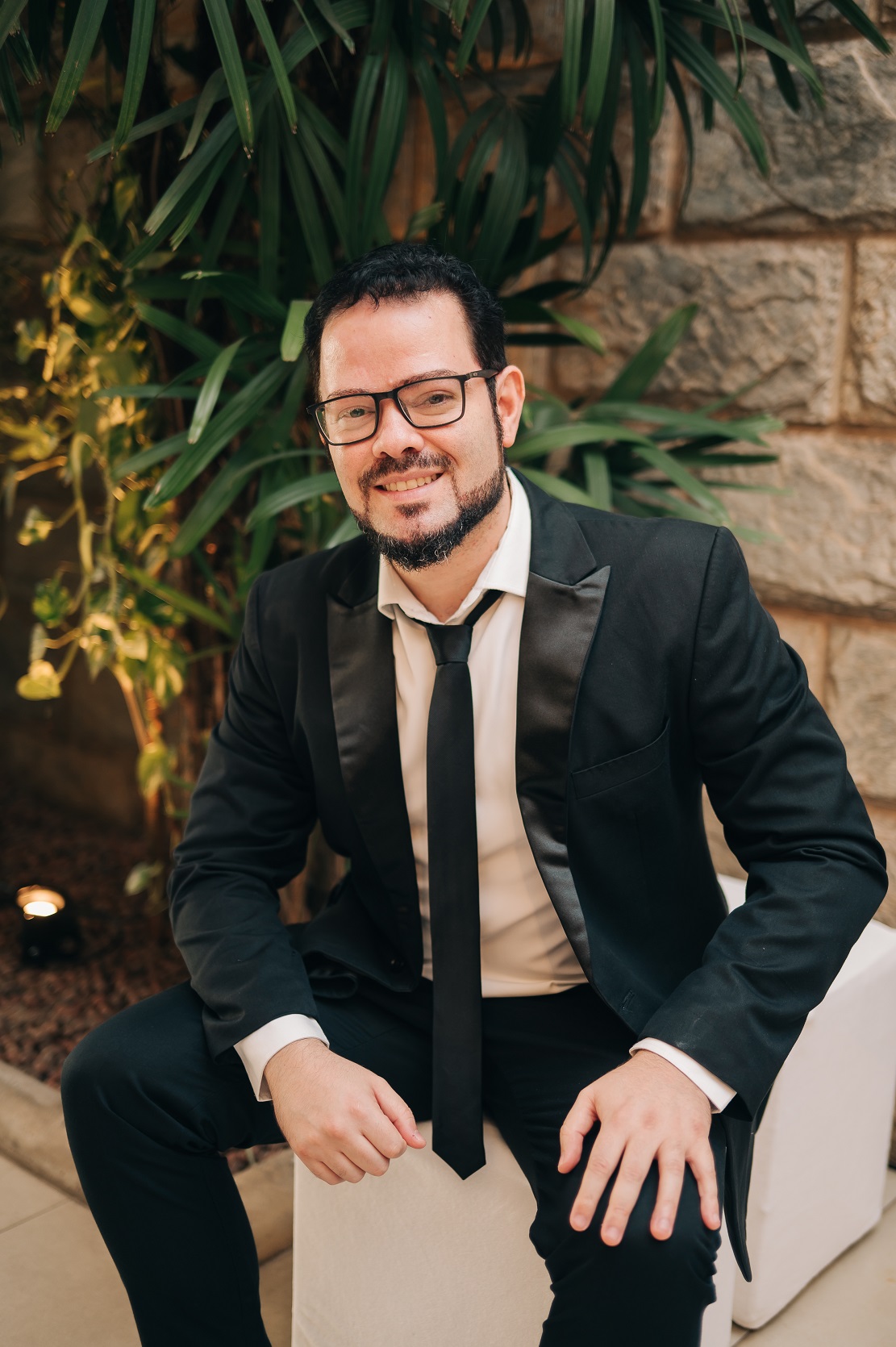
This LinkedIn post challenges that idea directly. It shows a translator moving from legal to medical to technical content, not because they were “ready,” but because they were willing to adapt.
- They didn’t wait to master everything upfront
- They learned through real projects
- They built confidence by doing, not preparing
And that part is true. But it’s only half of the story. Because in today’s market, being willing to learn is not enough. You also need to be strategic about what you learn.
.png)
The shift: from generalist to specialized problem-solver
The translation industry has changed.
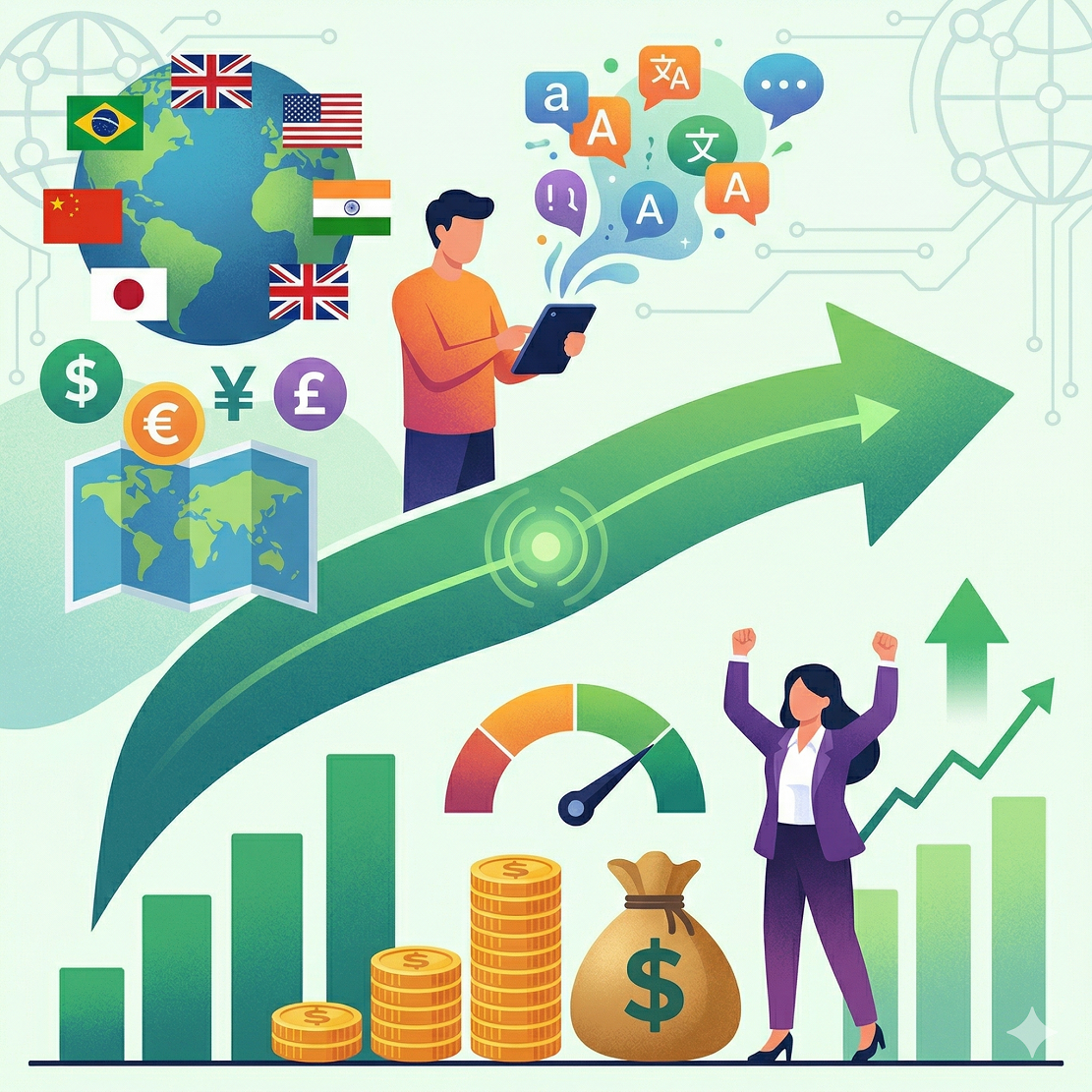
Basic, general translation is becoming increasingly automated. Tools can handle simple content faster and cheaper than ever before. That means the real opportunity lies elsewhere.
- In complexity
- In nuance
- In areas where mistakes are not acceptable
This is where specialization comes in, not as a bonus, but as a necessity. The translators who are thriving today are not the ones who “know everything.” They’re the ones who position themselves in areas where precision matters more than speed.
Why legal translation rewards precision over experience
Legal translation is one of the clearest examples of this shift. It’s not just about language, it’s about responsibility. A small mistake can completely change the meaning of a contract, a clause, or a legal argument.
- Terminology must be exact
- Tone must match legal standards
- Context is everything
You don’t become a legal translator by waiting until you feel ready. You become one by building systems that help you handle complexity reliably.
And once you do, your value increases significantly. Because clients in this space are not looking for “fluent translators”, they’re looking for trustworthy ones.
Medical translation: where accuracy becomes critical
If legal translation is about precision, medical translation is about consequences. In this field, errors are not just inconvenient, they can be dangerous.
- Patient information must be crystal clear
- Instructions cannot be misinterpreted
- Regulatory standards must be followed
This creates a high barrier to entry, but also a strong opportunity. Medical translation rewards translators who:
- Are comfortable working with technical terminology
- Build strong research habits
- Develop structured workflows to avoid mistakes
Again, the key is not knowing everything, it’s being able to find and apply the right information consistently.
.png)
Technical content: the overlooked opportunity
Beyond legal and medical fields, there’s another space growing quietly: technical translation. Think user manuals, engineering reports, product documentation, SaaS platforms. These areas share a common trait: they require clarity and consistency more than creativity.
- Terminology must remain stable across documents
- Instructions must be unambiguous
- Updates must align with previous versions
For translators willing to work in structured environments, this niche offers stability and scale. It’s not glamorous, but it’s reliable.
The real skill: building a system, not just knowledge
If there’s one idea that connects all these niches, it’s this: Your value is not just what you know, it’s how you work. The LinkedIn post touches on this when it says: “You won’t know everything, but you can figure anything out if your process is solid.”
That’s the real differentiator. High-performing translators don’t rely on memory alone. They rely on systems.
- They document terminology
- They reuse validated translations
- They create workflows that reduce errors
Because in high-stakes niches, consistency beats improvisation.
Why tools are no longer optional
As projects become more complex, managing everything manually stops being viable. This is where translation management systems (TMS) and structured glossaries become essential.
They help translators:
- Keep terminology consistent across projects
- Store and reuse validated translations
- Collaborate more effectively with clients and teams
Instead of starting from zero every time, you build a growing base of knowledge that supports your work. And over time, that becomes a competitive advantage.
Staying relevant in a changing industry
The original post is right about one thing: you don’t need to feel ready to start. But staying in the game requires more than momentum, it requires direction.
- Choosing the right niches
- Building reliable processes
- Using the right tools to support your work
Because the translators who succeed long-term are not just adaptable, they’re intentional. They don’t just react to opportunities. They position themselves for them.
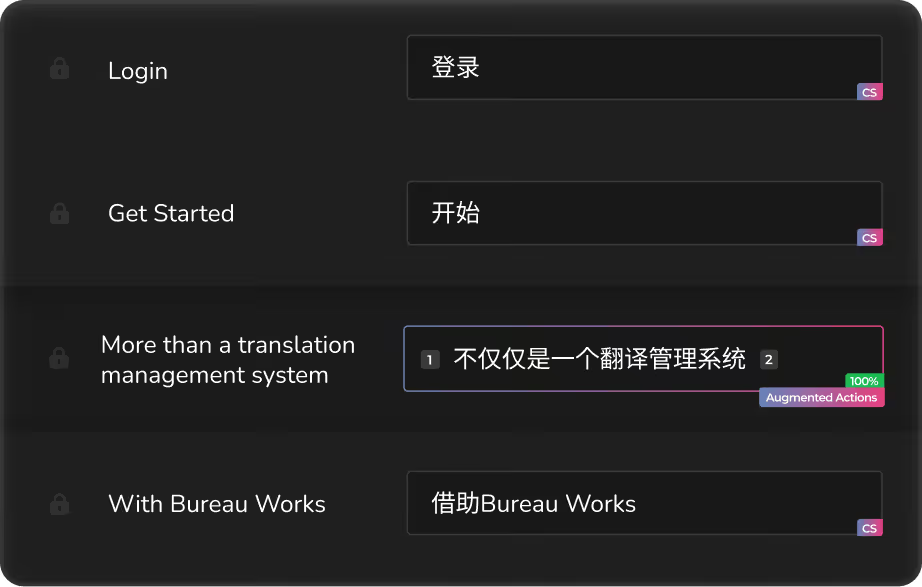
This is exactly where a platform like wxrks becomes valuable. In specialized fields like legal, medical, and technical translation, consistency is not optional, and managing it manually is risky.
wxrks helps translators bring structure to their work:
- Centralized glossaries keep terminology aligned
- Translation memory ensures consistency across projects
- A unified workflow reduces errors and rework
Instead of juggling files, notes, and disconnected tools, everything lives in one place, supporting both speed and accuracy.
Ready to move from “learning” to positioning?
If you’re serious about building a career in high-value translation niches, the next step is not just improving your skills, it’s improving your process.
Sign up for wxrks and start building a workflow that helps you stay consistent, reliable, and competitive in today’s translation landscape.
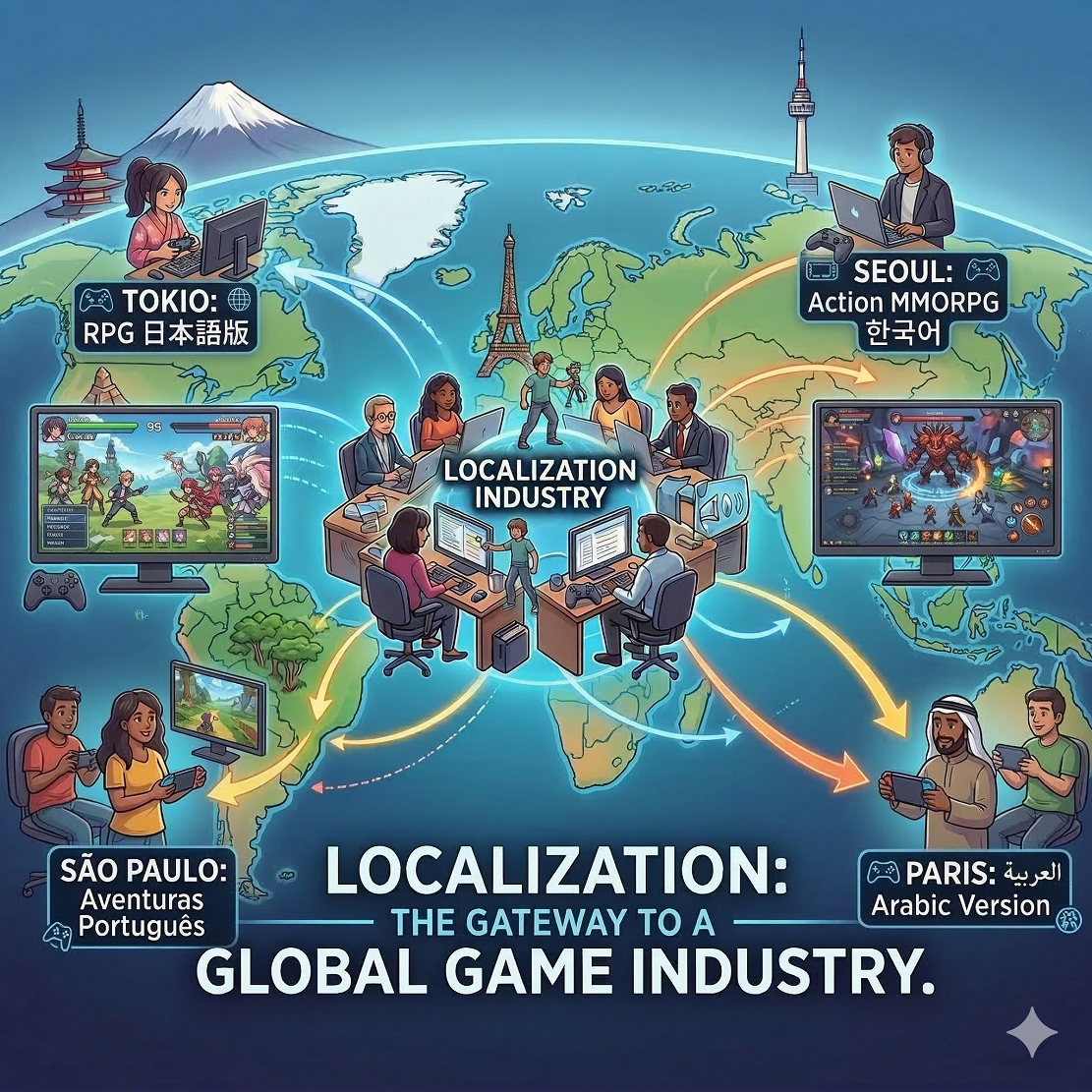
Unlock the power of glocalization with our Translation Management System.
Unlock the power of
with our Translation Management System.