

Most translation management systems were designed for operational efficiency.
They help companies move content from one language to another, organize workflows, and reduce repetitive work. And for a long time, that was enough. But marketing localization operates under completely different rules.
Marketing is not just about translating meaning. It is about translating intent, tone, emotion, and positioning. A technically accurate translation can still completely fail if it does not resonate with the audience it was designed for.
That is why marketing localization has become one of the most demanding areas in the language industry today. And honestly, most traditional localization tools were never really built for it.
Marketing localization is fundamentally contextual
One of the strongest aspects highlighted in the video is that different brands communicate differently. Even within the same organization, multiple departments may require completely different localization strategies.
One account may rely heavily on machine translation. Another may forbid it entirely. One team may prioritize SEO terminology. Another may focus entirely on creative transcreation.
Traditional systems often struggle with this level of nuance because they treat localization as a linear process. But marketing localization is not linear.
It is layered.
- Different audiences
- Different tones
- Different approval structures
- Different creative expectations
And all of those layers need to coexist without creating chaos. That is where flexibility becomes more important than standardization.
Translation quality is no longer enough
For years, localization quality was measured mostly through accuracy.
Was the sentence grammatically correct? Did it preserve meaning? Was the terminology consistent?
Those things still matter, obviously. But marketing localization introduced a completely new variable: performance. Now the question becomes: Does this content actually work for the audience?
A translation may be perfectly accurate while still:
- sounding too formal,
- missing the emotional tone of the campaign,
- failing SEO expectations,
- or simply not feling native enough.
- context match.
That changes the role of localization technology entirely. The goal is no longer just linguistic correctness. The goal is communication effectiveness.

Why AI becomes much more useful in marketing workflows
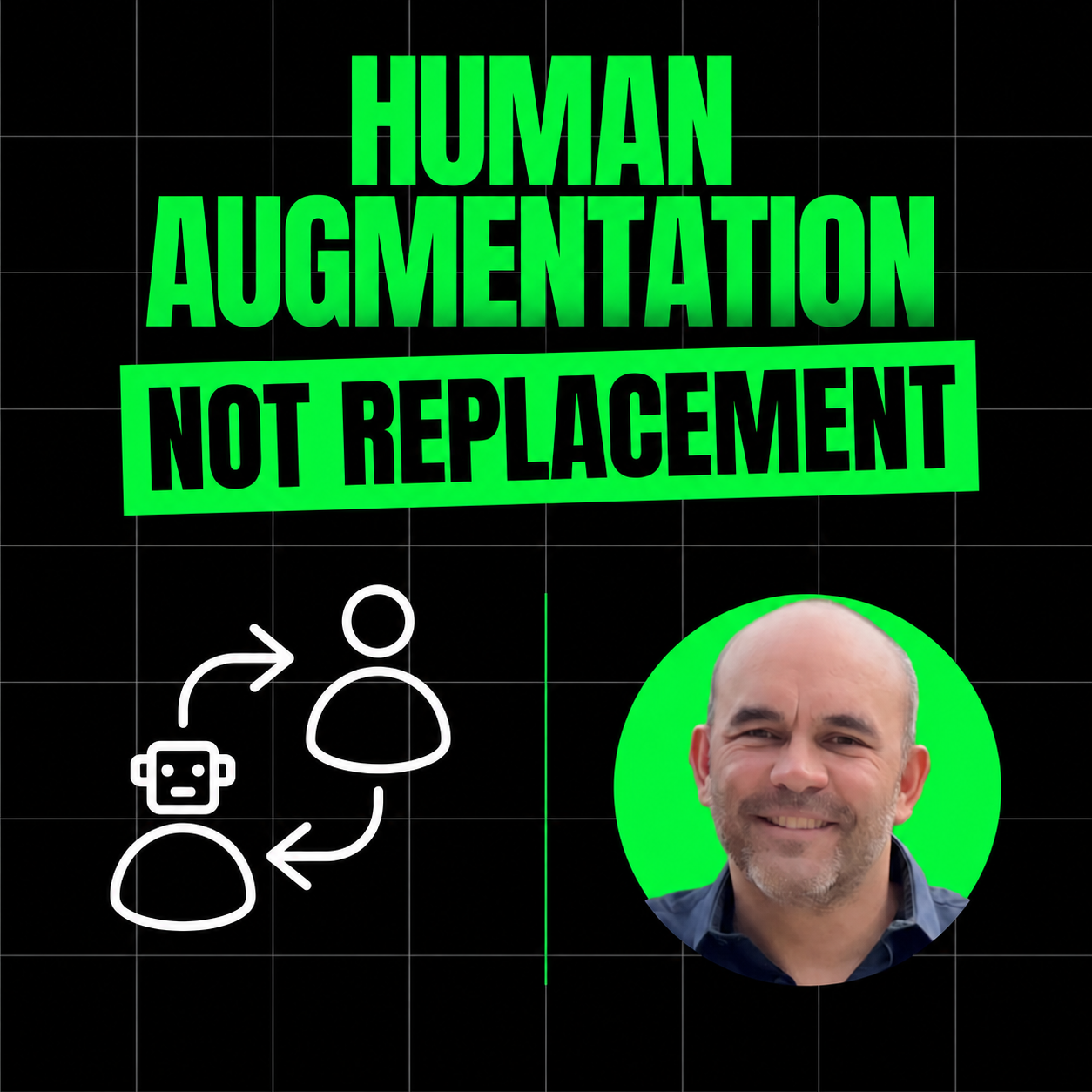
One of the strongest aspects highlighted in the video is how AI can reduce cognitive burden instead of replacing creative ownership. That distinction matters a lot.
The video repeatedly reinforces the idea that AI should handle repetitive mechanics while humans remain responsible for expression, tone, and editorial direction. And honestly, that is probably one of the healthiest ways to think about AI in localization.
Marketing teams do not want robots writing campaigns blindly. They want systems that help humans:
- move faster,
- maintain consistency,
- reduce repetitive work,
- and explore creative alternatives more efficiently.
That is a very different mindset from “AI replacing translators.” Instead, AI becomes a collaborative layer.
Creativity needs infrastructure
One thing people rarely talk about is how much operational structure creativity actually requires.
Creative teams need:
- terminology consistency,
- contextual previews,
- review workflows,
- communication history,
- approval systems,
- and collaborative feedback loops.
Without those systems, even good creative work becomes difficult to scale.
The video shows several examples of this in practice: AI-assisted glossary validation, contextual suggestions, back translations, track changes, reviewer discussions, and alternative creative versions stored directly inside the workflow.
That is important because marketing localization is highly iterative by nature.
Campaigns evolve constantly. Brand language changes constantly. Regional preferences shift constantly. And localization systems need to adapt to that fluidity.
Localization is becoming more visual
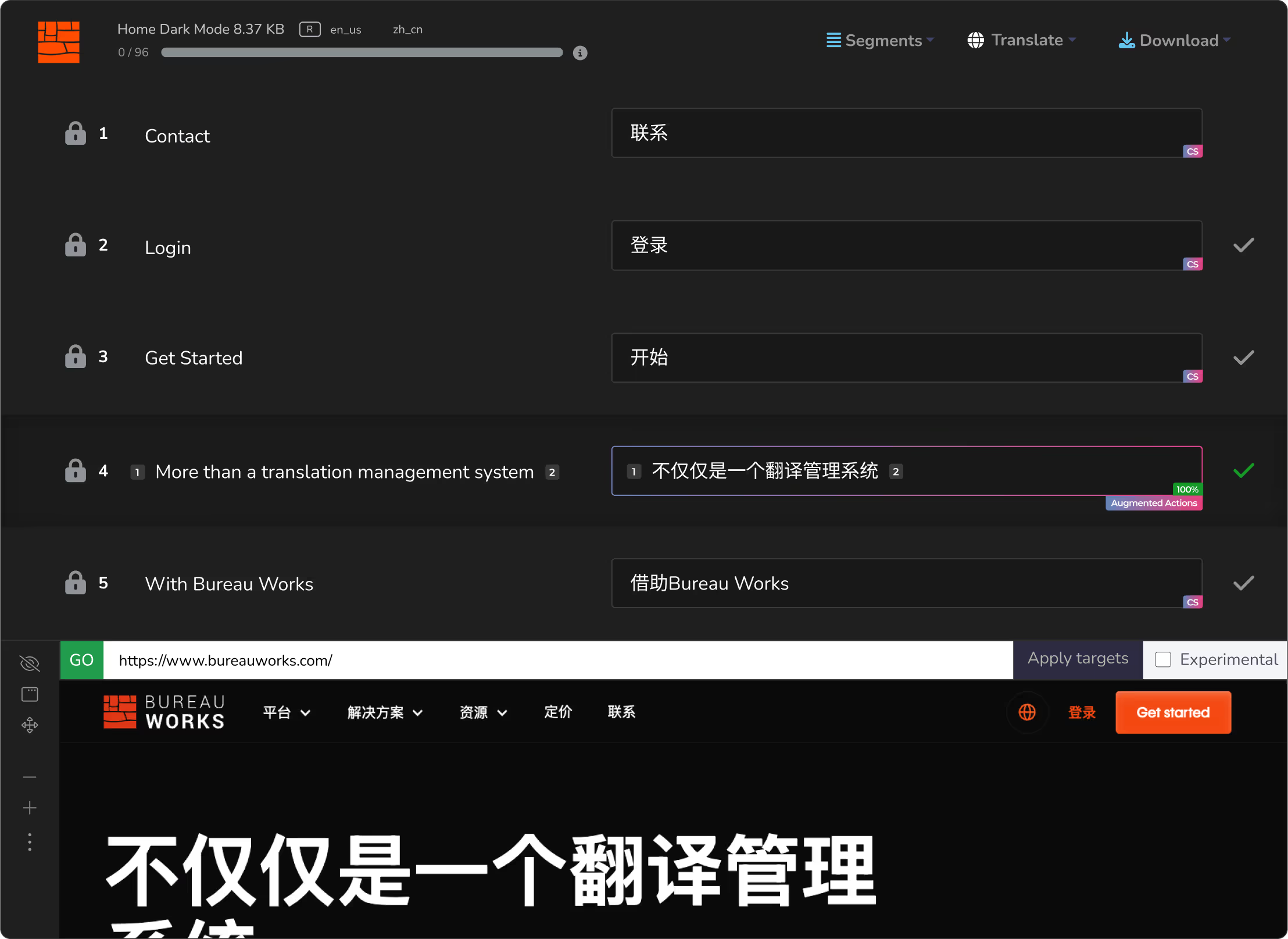
Another important point raised in the video is the role of previews and contextual rendering. This is a massive issue in modern localization that many companies still underestimate.
Translating content without seeing where it will appear often creates:
- broken layouts,
- awkward subtitles,
- oversized UI strings,
- or messaging that feels disconnected from the visual experience.
Marketing content especially depends on visual context. A slogan may work perfectly in isolation but fail completely once paired with a design, a product image, or a video sequence.
That is why contextual previews are becoming essential, particularly for:
- websites,
- video localization,
- ad campaigns,
- landing pages,
- and social media content.
Localization is no longer just textual. It is multimodal.
The future of localization is adaptive
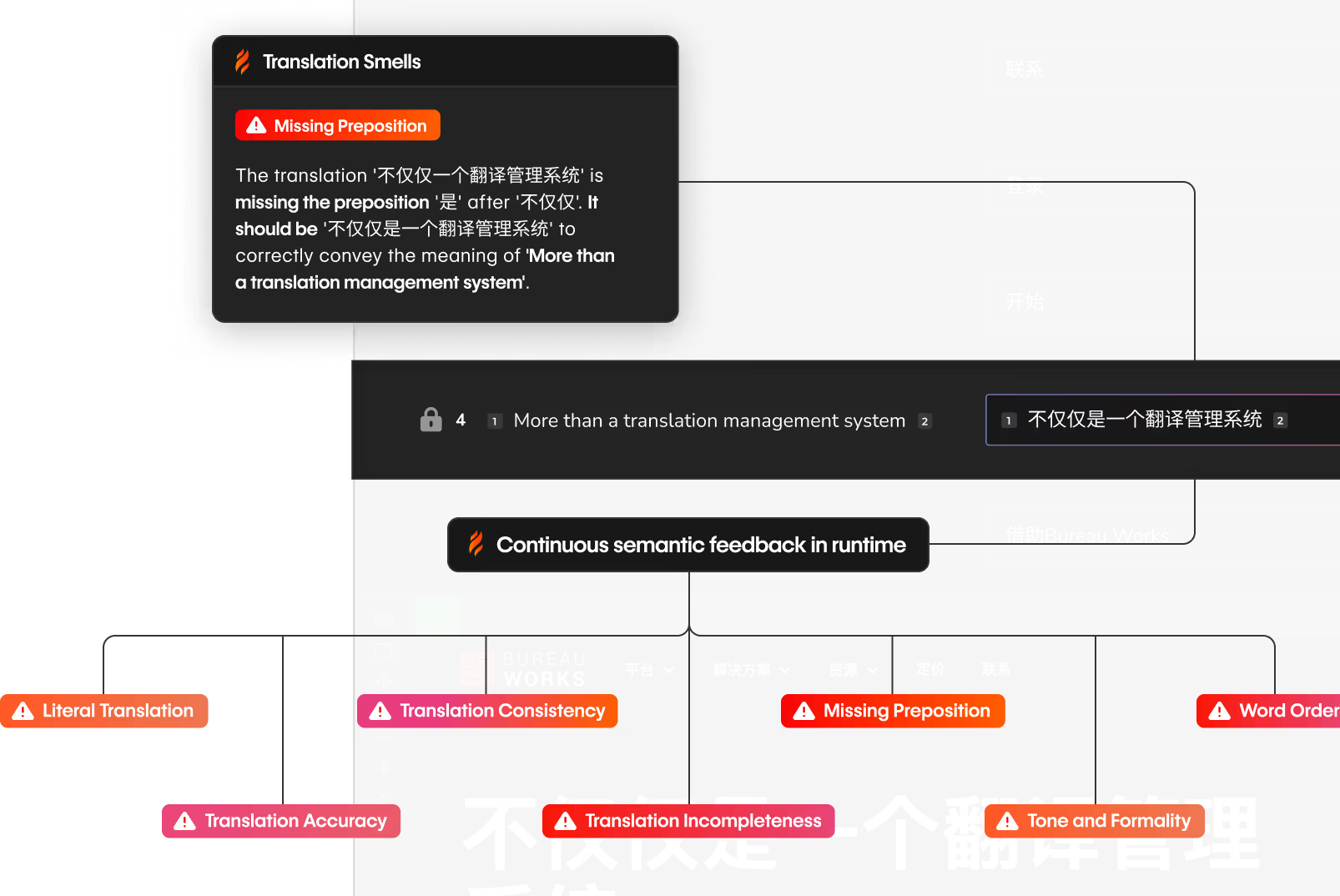
One of the most fascinating concepts in the video is adaptive behavior during runtime.
The system is not just storing translations statically. It is dynamically adjusting based on:
- updated terminology,
- audience settings,
- regional preferences,
- style instructions,
- and machine learning context.
That changes localization from a storage problem into an intelligence problem. Instead of simply retrieving old translations, systems begin actively participating in communication strategy itself. And this becomes even more relevant in marketing because audience segmentation is becoming dramatically more granular.
The same campaign may require:
- one tone for teenagers,
- another for executives,
- one version for Argentina,
- another for Spain,
- one style for social media,
- another for enterprise websites.
Localization workflows need to support this level of adaptability without creating operational collapse.
Why observability matters in creative workflows
Another subtle but extremely important idea in the video is accountability.
The system stores:
- who made changes,
- when changes happened,
- why revisions were approved,
- and how terminology evolved over time.
This becomes incredibly important when multiple stakeholders are involved. Marketing localization is rarely a single-person process.
You may have:
- translators,
- copywriters,
- reviewers,
- legal teams,
- in-country approvers,
- SEO specialists,
- and brand managers all touching the same content.
Without visibility into decisions, workflows become fragmented very quickly. And fragmentation is one of the biggest enemies of brand consistency.
Integrations are becoming the real bottleneck
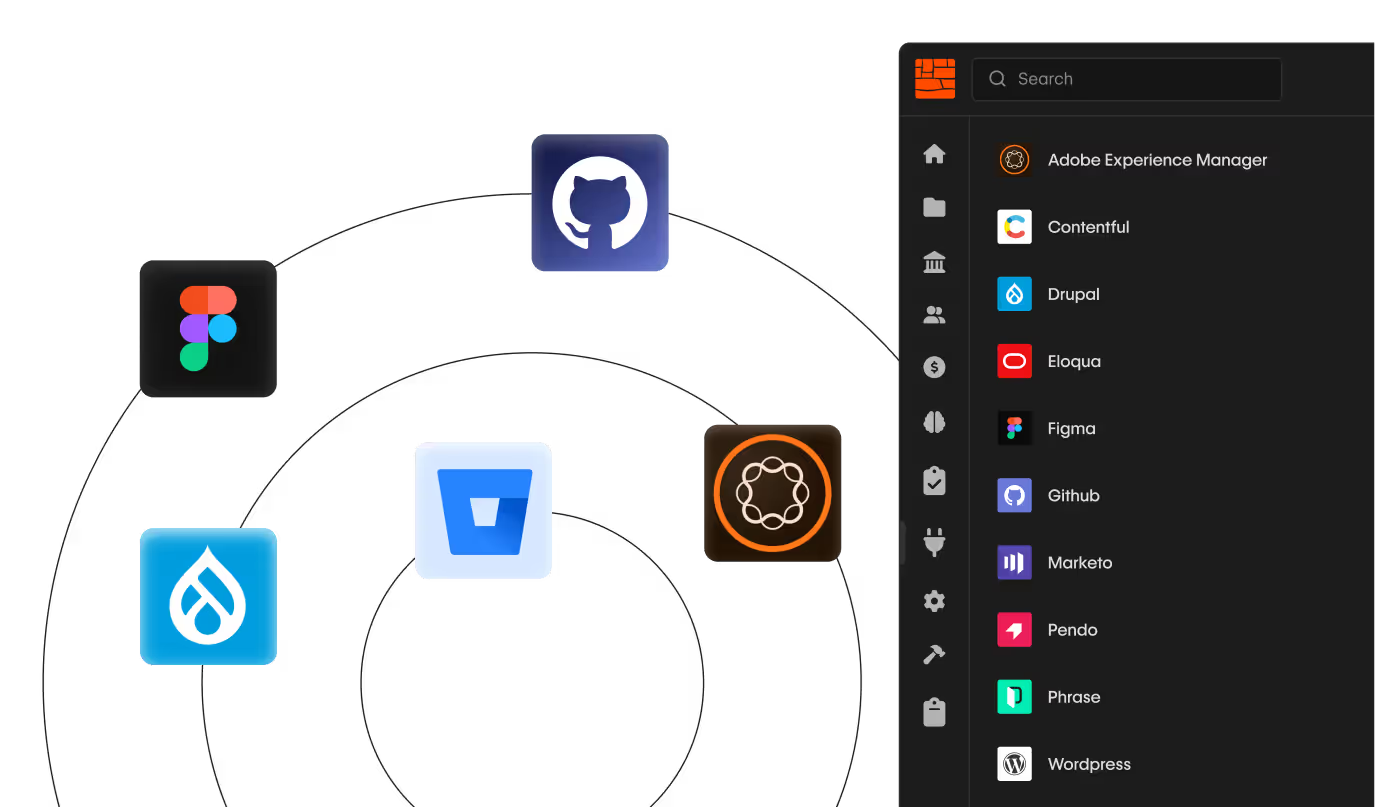
Another major takeaway from the video is how critical integrations have become. Localization no longer happens in isolated environments.
Modern teams work across:
- Figma,
- CMS platforms,
- support systems,
- marketing automation tools,
- code repositories,
- and product environments.
If localization workflows are disconnected from those ecosystems, teams lose enormous amounts of time moving content manually between systems.
That operational friction becomes expensive very quickly. The companies that scale localization effectively are usually the ones that reduce those invisible workflow interruptions.
Where wxrks positions itself differently
What becomes clear throughout the video is that wxrks is not trying to position itself as just another traditional TMS.
The focus is much broader:
- adaptive AI assistance,
- contextual workflows,
- creative collaboration,
- observability,
- granular permissions,
- integrated analytics,
- and marketing-specific localization infrastructure.
The philosophy behind the platform seems to be that localization should not feel disconnected from the creative process. Instead, localization becomes part of the communication strategy itself. And honestly, that is probably where the industry is heading.
Marketing localization is becoming a strategic discipline
The biggest shift happening right now is that localization is no longer purely operational. It is becoming strategic.
Companies increasingly understand that localized communication directly impacts:
- conversion,
- brand perception,
- engagement,
- SEO performance,
- and customer trust.
That changes how localization systems need to behave.
The future will likely belong to platforms capable of balancing:
- AI automation,
- creative flexibility,
- contextual understanding,
- and human oversight.
Because marketing translation is not really about translation anymore. It is about making communication feel native everywhere.
Ready to build smarter marketing localization workflows?
As localization becomes more connected to brand strategy, audience targeting, and AI-assisted content creation, companies need systems that go far beyond basic translation management.
Sign up for wxrks and discover how a modern translation management system can help your team create faster, more contextual, and more scalable marketing localization workflows.
Unlock the power of glocalization with our Translation Management System.
Unlock the power of
with our Translation Management System.