

AI Agents Won’t Replace Translators. But They Will Change Translation Forever


“AI agents” has become one of the biggest buzzwords in tech. Everyone talks about them as if they are the inevitable future of work, but very few people actually stop to explain what they mean in practice, especially in localization.
And that distinction matters.
Because when people talk about AI in translation, the conversation usually becomes very superficial. Either AI is portrayed as the magical solution that will replace everyone, or as a dangerous tool that should never be trusted. The reality is far more interesting than both extremes.
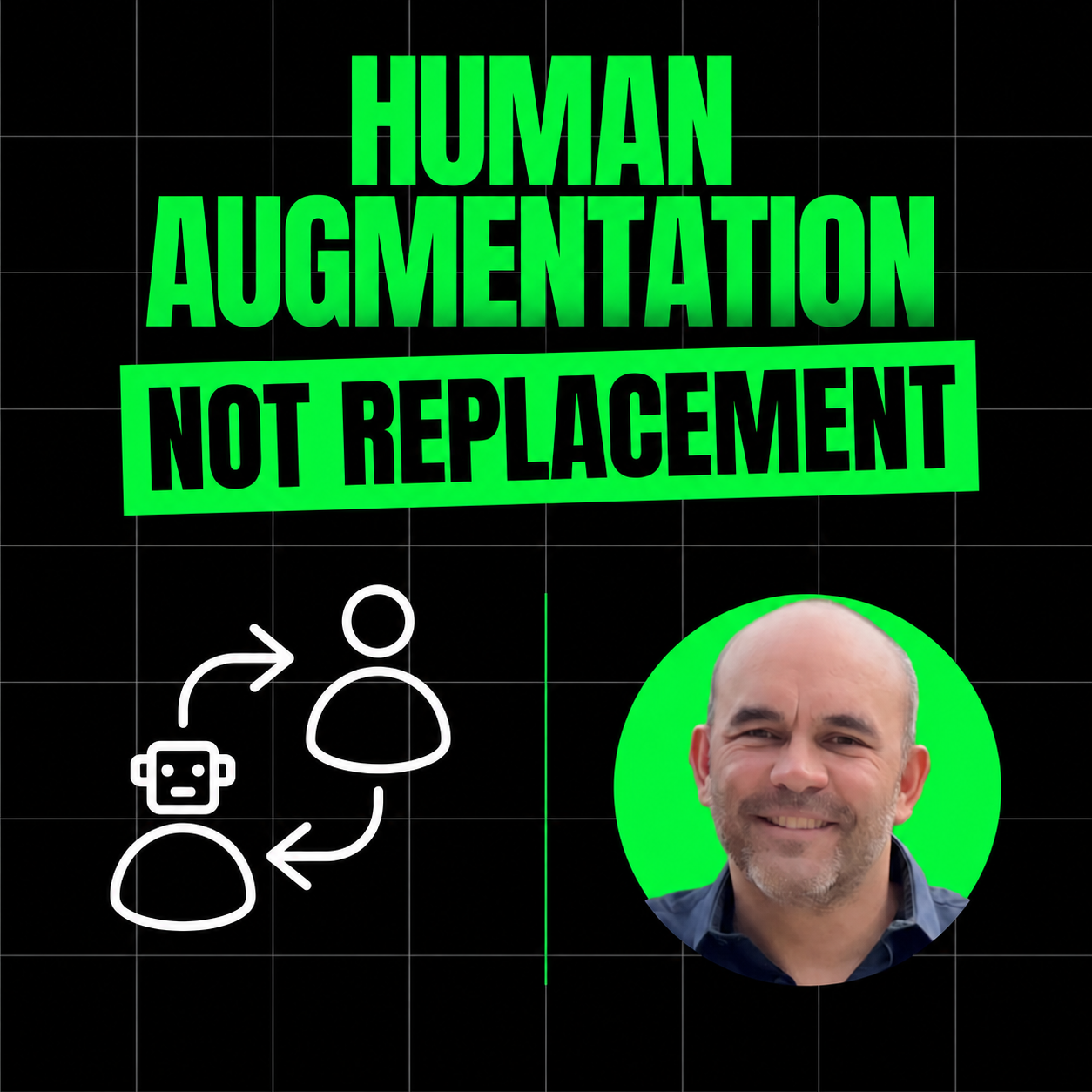
The video you shared touches on something much more important: AI agents are not really about replacing translators. They are about changing how translators interact with language, workflows, and decision-making itself.
That shift is already happening.
What an AI agent actually is
In simple terms, an AI agent is a system capable of making decisions with some level of autonomy. Traditional software usually waits for commands. AI agents, on the other hand, can analyze context, make suggestions, adapt behavior, and sometimes even execute tasks independently.
A normal scheduling tool, for example, only updates your calendar after you manually choose a date. An AI scheduling agent can analyze your routine, identify patterns, and suggest the best meeting slot automatically.
Localization is moving in the same direction.
For years, translation tools were mostly passive systems. They stored terminology, managed workflows, and helped teams organize content. But now, AI systems can actively participate in the linguistic process itself.
They can suggest tone, detect inconsistencies, adapt style, analyze demographics, and even anticipate communication risks before a human reviewer notices them.
That changes the role of translation technology completely.
The problem with the “AI solved translation” narrative
One of the most common misconceptions today is the idea that because AI can generate fluent language, translation is basically solved.
But fluency is not the same as quality.
A translation can sound perfectly natural while still being wrong for the audience, the brand, or the context. And that’s where localization becomes much more complicated than simple text generation.
Language is extremely granular. Tiny differences in tone, terminology, structure, or cultural positioning can completely change how a message is perceived.
A sentence may technically communicate the correct information while still:
- sounding too formal,
- missing SEO requirements,
- ignoring brand voice,
- or creating cultural discomfort in a specific market.
That’s why generative AI alone is not enough.
The real challenge is not generating language. It is controlling language.
.png)
Why observability matters more than automation
One of the smartest concepts mentioned in the video is observability.
As AI systems become more autonomous, companies need visibility into how decisions are being made. It is no longer enough to receive an output. Teams need to understand why the AI chose a certain phrasing, which references influenced the result, and how those behaviors can be adjusted over time.
Without observability, localization quickly becomes a black box.
And black boxes are dangerous when dealing with legal, medical, financial, or highly branded communication.
This is where many companies are starting to realize that AI implementation is not just about plugging a model into a workflow. It requires infrastructure, governance, and linguistic control.
Otherwise, the organization may gain speed while slowly losing consistency.
The rise of the translator as a language strategist
The most interesting part of this transition is how it changes the role of translators themselves.
For a long time, translators were expected to work almost exclusively at the sentence level: translate, revise, deliver, repeat. But AI agents are gradually shifting the value of human work upward.
Instead of spending hours rewriting repetitive structures, translators can focus more on:
- calibrating tone,
- managing terminology,
- auditing outputs,
- designing workflows,
- and refining communication strategy.
In other words, translators increasingly become language strategists.
That does not reduce the importance of human expertise. If anything, it makes experienced professionals even more valuable, because AI systems still need direction. They need someone capable of understanding nuance, context, and audience expectations deeply enough to guide the machine properly.
Automation without linguistic leadership creates inconsistency very quickly.

Why human ownership still matters
One of the strongest points raised in the video is the idea that language still requires authorship.
And honestly, this may be the most important part of the entire AI conversation.
If companies begin publishing massive amounts of AI-generated content with no human ownership behind it, communication itself starts losing meaning. Content becomes disposable because nobody truly stands behind it.
A brand cannot simply say: “The AI wrote this.”
At some point, someone is still responsible for the message, the tone, the legal implications, and the user experience created by that communication.
That is why human oversight remains essential, not because AI is incapable of generating language, but because meaning still depends on intention and accountability.
Even if a translator does not physically write every word anymore, they may still author the communication by designing the process that produced it.
And that is a completely new way of thinking about authorship.
AI needs structure to become useful
Another important takeaway from the video is that AI becomes dramatically more powerful when combined with structured linguistic systems.
Large language models alone can generate impressive text, but enterprise localization requires much more than impressive text. It requires consistency, scalability, terminology governance, formatting preservation, compliance, and adaptability across multiple audiences.
That is where translation management systems become increasingly important.
Modern localization workflows are no longer just about storing translations. They are becoming environments where humans and AI collaborate together through configurable systems.
The future is not simply “AI translating content.”
The future is:
- AI guided by curated terminology,
- AI shaped by style guides,
- AI monitored by humans,
- and AI operating inside structured workflows that maintain control over communication quality.
That is a much more sustainable vision for localization.
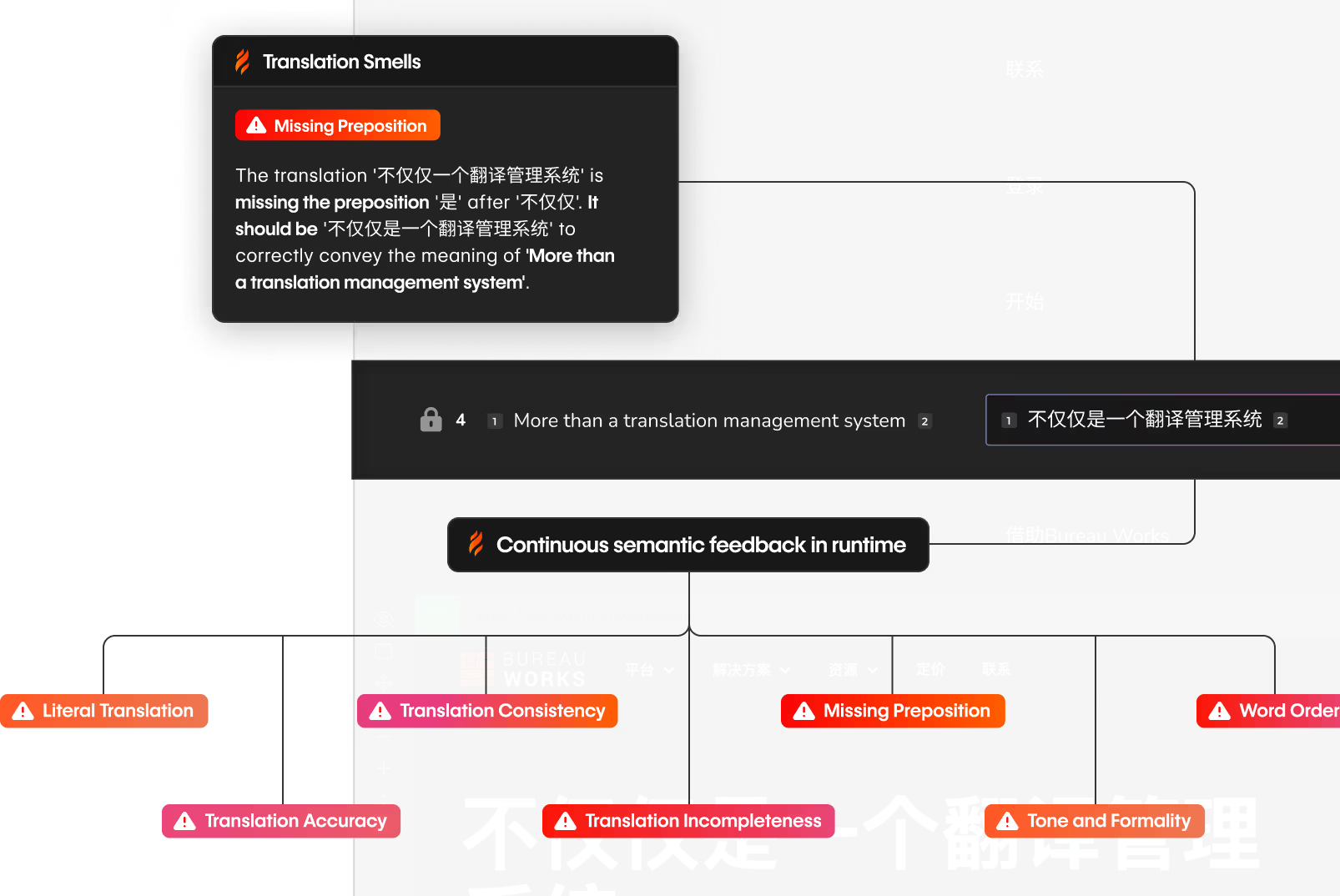
This is exactly the kind of problem wxrks is designed to solve.
Instead of treating AI as a black-box automation tool, wxrks focuses on making AI-driven localization observable, configurable, and controllable. Teams can shape how agents behave, refine outputs according to brand voice, and maintain consistency across large-scale multilingual operations.
The goal is not to remove humans from the process.
The goal is to help humans operate faster, with more precision, and with better control over increasingly complex localization environments.
As AI continues transforming translation, the companies that succeed will not necessarily be the ones with the biggest models. They will be the ones with the best linguistic systems behind those models.
Translation is changing, but meaning still belongs to humans
AI agents will absolutely reshape localization. That part is inevitable.
But the real story is not about machines replacing translators. It is about translators evolving into something more strategic, more analytical, and more influential in how global communication is designed.
Because even in the age of generative AI, language still needs intent. It still needs accountability. And it still needs humans capable of deciding what communication should actually mean.
That part has not disappeared.
And maybe it never will.
Ready to build AI-powered localization workflows without losing control?
As AI becomes part of modern translation processes, structure and observability become more important than ever.
Sign up for wxrks and discover how a modern translation management system can help your team combine AI efficiency with human oversight, consistency, and scalable localization workflows.
Unlock the power of glocalization with our Translation Management System.
Unlock the power of
with our Translation Management System.